
Gas tightness testing: how a suspected leak is actually checked
A gas tightness test measures whether pipework and fittings hold pressure over a set period without dropping. It replaces guesswork with a repeatable, recorded figure.
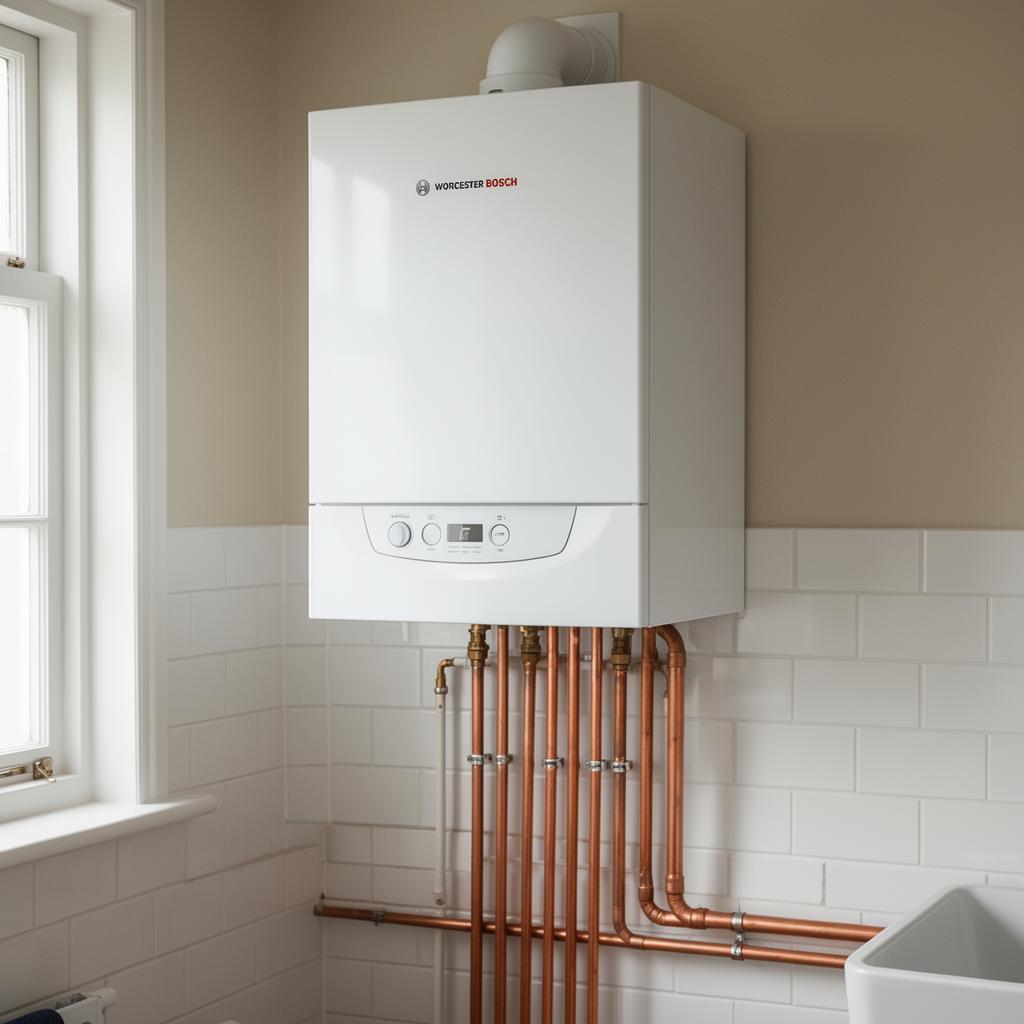
Key points on gas tightness testing
- The test measures pressure held over a fixed period, not a single reading
- Any pressure drop confirms a leak exists in the tested section
- Bubble testing at joints locates a leak once one is confirmed
- Required after new pipework is installed or altered
- Forms part of the checks after a reported gas smell
Where gas tightness testing usually comes from
The engineer isolates the installation, applies a test pressure and watches a gauge for any drop over the required time. A stable reading confirms the pipework and fittings are sound; any drop means a leak exists somewhere in the tested section, and further work such as bubble testing at joints narrows down the exact location before any repair is carried out.
Who should undertake the work
- Gas appliance work must be completed by a suitably qualified Gas Safe engineer
- Oil appliance work should be completed by a suitably qualified OFTEC technician
- Jamie Crawford Heating states both Gas Safe and OFTEC registration
Where we deal with this
Questions we get asked
- Is a gas tightness test always done during a service?
- It is generally checked, though the depth of testing depends on whether there is any reason to suspect an issue with the pipework.
- What happens if the test fails?
- The gas supply to the affected section stays isolated until the leak is located and repaired, then the test is repeated to confirm the fix.
Straight answers on gas tightness testing
Put simply: A tightness test replaces suspicion with a measured answer — either the pressure holds, or it does not, and the pipework is treated accordingly.
Call Jamie Crawford Heating on 07516 118198 during the published weekday opening hours.
Related help pages
- Warranty repair rulesWarranty work versus a chargeable repair: how the line is drawn
- Seasonal servicingWhy booking a service before winter makes practical sense
- Condensate maintenanceCondensate trap cleaning: a small job that prevents a lockout
- Vacant property careServicing a boiler in an empty or unoccupied property
- Discharge faultWater dripping from the outside pipe: pressure relief valve discharge
- Glow-worm fault codeGlow-worm F1: ignition failure and what precedes it
Services that cover this
New Worcester boiler with a 10 year guarantee*
Free no-obligation quotes for installation, servicing & repairs across BA & BS postcodes.