
Radiators cold at the bottom: sludge and circulation, not air
This is the opposite pattern to a trapped air fault and points to a different cause entirely. Cold across the bottom with warmth above usually means sludge and corrosion debris have settled in the base of the radiator, physically blocking water flow through the lower sections.
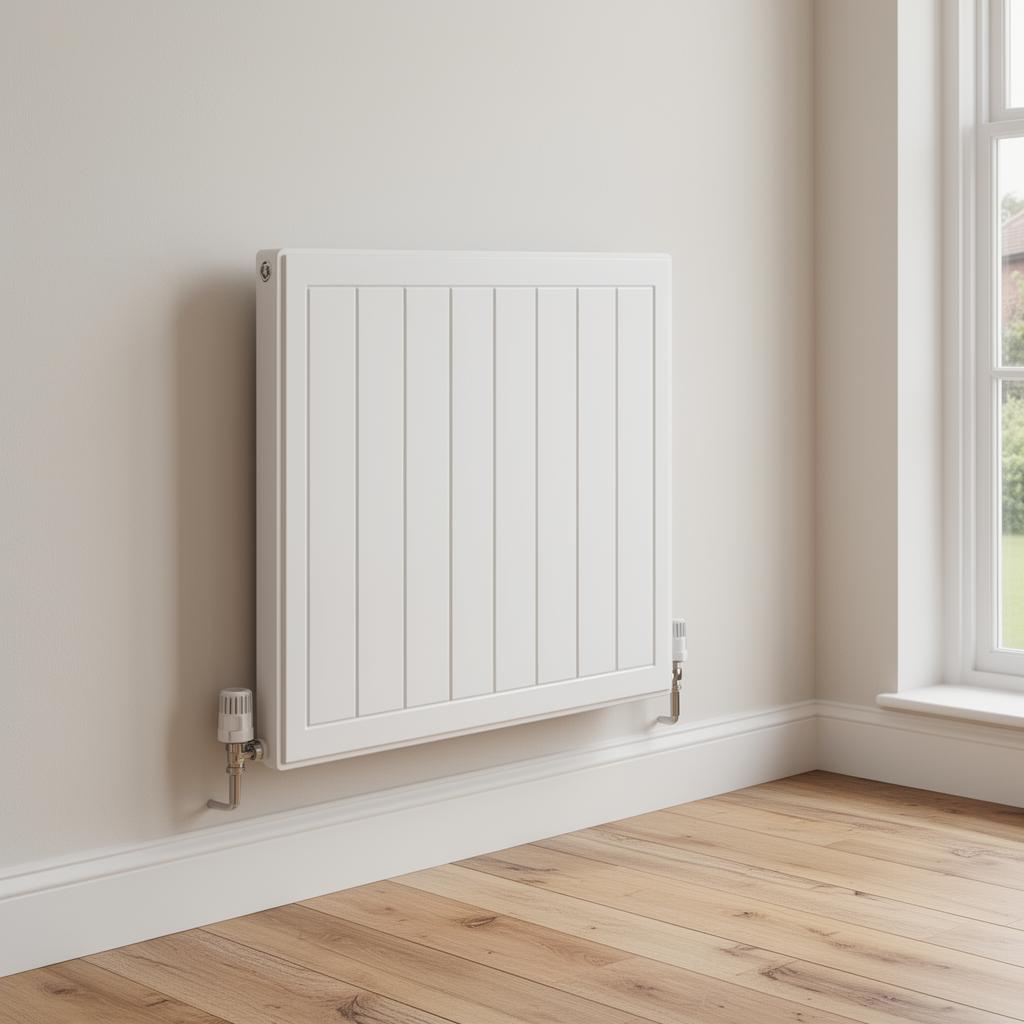
How we read a radiator cold at the bottom on site
Steel radiators corrode gradually from the inside over years, producing black iron oxide sludge that is heavier than water and drops to the lowest point available, which is the bottom of the radiator body rather than the pipework. Bleeding does nothing for this pattern because there is no air to release; the fix is either isolating and flushing the individual radiator, or where sludge is widespread across several radiators, a full system power flush combined with fitting a magnetic filter to catch debris going forward. Left untreated, sludge accelerates pump wear and can eventually restrict flow enough to trigger boiler overheat lockouts.
Detail that affects your quote for a radiator cold at the bottom
- Cold at the bottom and warm at the top means sludge, not air
- Bleeding a sludged radiator has no effect on the blockage
- Sludge settles because iron oxide debris is heavier than water
- Single radiators can be flushed individually if the problem is isolated
- Widespread sludge across several radiators calls for a power flush
How this plays out across our coverage area
Older stone-built properties across BA1 to BA5 with radiators that predate the current boiler are the homes we see this in most often, since the radiators themselves have been quietly corroding for decades regardless of how new the appliance is. A magnetic filter fitted after a flush is a modest cost against the alternative of repeat callouts.
Relevant registrations
- Gas Safe registered for domestic gas boiler work
- OFTEC registered for oil boiler work
- Worcester Bosch Accredited Installer
Questions we get asked
- Can I flush a radiator myself?
- Individual radiator flushing involves isolating valves and disconnecting pipework, so it is best left to an engineer to avoid leaks or damaging the valve.
- Does a power flush damage old radiators?
- A professionally controlled flush is designed to be gentle on ageing pipework, though very fragile or already-leaking radiators are sometimes best replaced rather than flushed.
- Will a magnetic filter stop this happening again?
- It substantially reduces recurring sludge problems by catching debris in one place where it can be cleaned out, rather than letting it circulate and resettle.
Where we deal with this
Related help pages
- Radiator diagnosisRadiators cold at the top: why air is the usual explanation
- Potterton fault codePotterton E125: no ignition detected on a Promax or Gold
- Ignition noiseLoud bang at ignition: what causes a noisy boiler start
- Fault code overviewBoiler fault codes by make: a high-level guide to reading your display
- Cost driversHeating controls upgrades: what's involved and why they matter
- Quote checklistWhat a heating quote should include before you agree to it
Straight answers on a radiator cold at the bottom
Put simply: Cold at the bottom is a sludge signal, not an air signal. Flushing and filtration fix the cause rather than masking the symptom.
Include the appliance make and model in your enquiry so the correct technical information can be checked.
New Worcester boiler with a 10 year guarantee*
Free no-obligation quotes for installation, servicing & repairs across BA & BS postcodes.