
Oil Boiler Repairs — Stratton-on-the-Fosse (BA3)
Getting quotes for oil boiler repairs can feel like a gamble when you don't know the trade. You want someone who turns up when they say they will, explains what they're doing, and leaves you with a system you understand. That's the standard we work to from 24 Bristol Road, Radstock BA3 3EE. We're Gas Safe registered, OFTEC registered and a Worcester Bosch Accredited Installer, so the paperwork and the workmanship both hold up to scrutiny. Terrain is hill top, which matters for condensate runs and tank siting. Most of what we open up here is stone cottages and downside estate properties, which dictates flue routes and pipe sizing. In Stratton-on-the-Fosse itself (BA3, Somerset) that usually means stone cottages and downside estate properties, roughly 4 miles from the workshop.
Where else we work near Stratton-on-the-Fosse
Beyond Stratton-on-the-Fosse we're frequently on jobs in Holcombe (BA3), Chilcompton (BA3), Oakhill (BA3) and Coleford (BA3) — so spares, follow-ups and annual services are straightforward.
What backs up a Stratton-on-the-Fosse quote
Reg. 549918 — every gas job notified to Building Control and a CP12 issued where required.
362+ verified reviews from real customers across BA and BS postcodes.
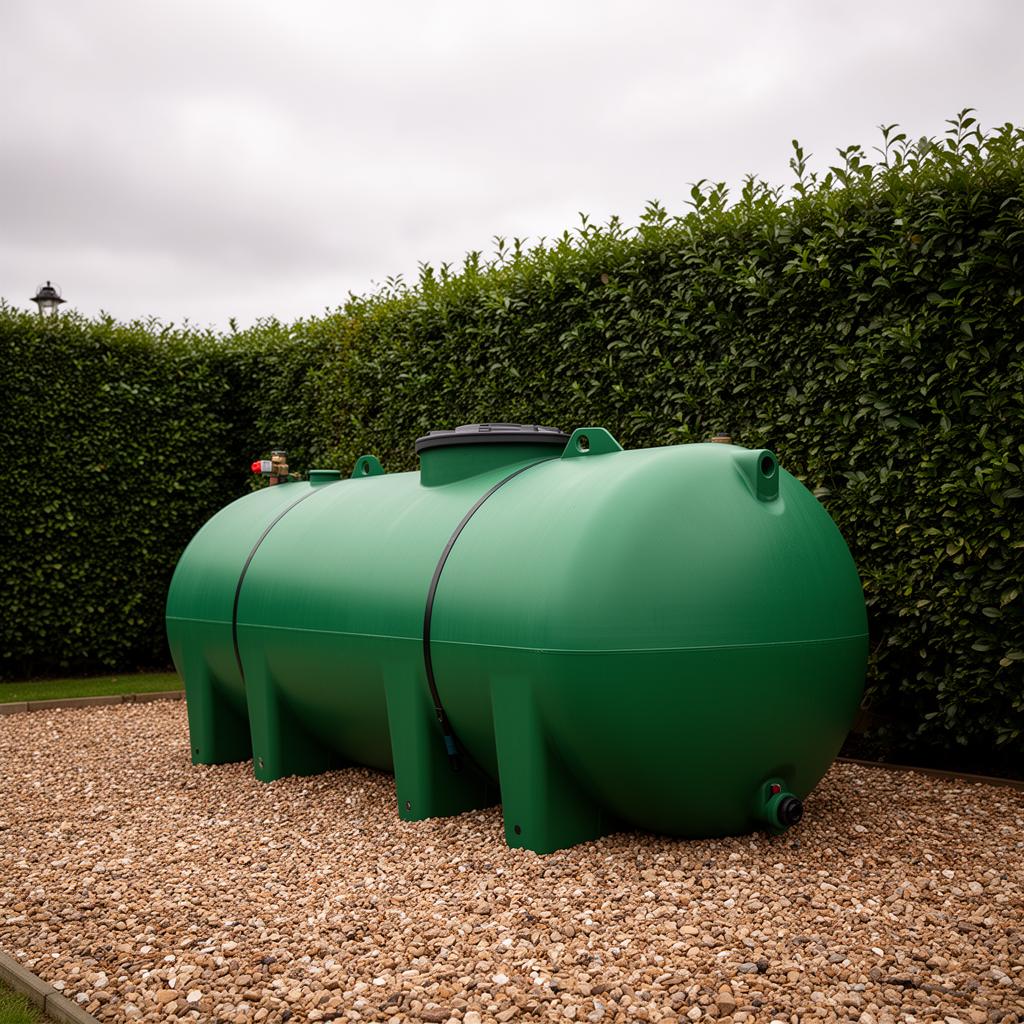
Oil boilers, oil tanks and pipework — fully certified for off-grid installs and replacements.
Qualifies your install for the full 10-year manufacturer guarantee* on supported models.
Scope of work, itemised
- Boiler will not fire or keeps locking out
- Sooting, puffing and smoky flue faults
- Pump, photocell and control diagnostics
- Sludge and water in tank dealt with properly
- Free written quote, no obligation
- Local aftercare from a 4-mile base
Site realities in and around Stratton-on-the-Fosse
This area has a genuine mix of mains gas and oil-fired properties, sometimes on the same street, depending on when the gas network reached that particular row of houses. It's worth confirming which fuel your property is actually on and whether a fuel switch is realistic before assuming either option is off the table. Being registered for both Gas Safe and OFTEC work means we can look at the honest options for your specific property rather than steering you toward whichever fuel we happen to be set up for. Typical era of build is mixed-cottage, which affects existing pipework and system cleanliness. Nearest neighbours on our round are Holcombe, Chilcompton, Oakhill. Stratton-on-the-Fosse is roughly 4 miles from our Radstock base via the A367. Typical property stock here: stone cottages and Downside estate properties. Stratton-on-the-Fosse sits in the Somerset BA3 postcode and is part of our weekly run, so local response is quick. Repair calls in Stratton-on-the-Fosse usually get a same-week visit, with most common faults fixed on the first attempt.
Common queries, answered honestly
- What does "commissioning" a boiler actually involve?
- Commissioning is setting the boiler up correctly for the property rather than just switching it on: checking gas or oil pressure and flow rates, setting flow temperatures, testing safety devices, balancing the system, and completing the manufacturer's Benchmark checklist. Skipping this properly is one of the most common reasons warranty claims get refused later.
- How much longer does a full conversion take compared to a straight boiler swap?
- A straight like-for-like swap in the same location is typically a single working day. Converting boiler type (for example back boiler to combi, or oil to LPG), relocating the boiler, or adding a new cylinder usually needs one to two extra days for additional pipework, flue routing, and electrical work, which we'll scope out at survey.
- We've got an oil-fired Rayburn or Aga heating the house — can that be replaced with a standard boiler?
- Yes, where a range cooker like a Rayburn or Aga is also running the central heating, it can be separated out and replaced with a dedicated modern oil or LPG boiler, keeping the range purely for cooking if you want to retain it, or removing it entirely. Sizing the new boiler correctly for the property is the key part of getting this right.
- What actually happens on install day?
- The engineer isolates the gas or oil supply and water, removes the old boiler, fits and pressure-tests the new one, connects the flue and condensate, and commissions the system. For a straight swap this is usually one day; a conversion, relocation, or cylinder change can run into a second depending on the pipework involved.
- What are your opening hours, and can you help out of hours?
- Our published hours are Monday to Friday, 8:30am to 5pm, and that's when the phones are answered and jobs are booked. We're honest that we don't run a round-the-clock emergency line, so if you're planning ahead, call during those hours on 07516 118198 and we'll get you booked in.
- Does an exposed, higher-up location affect boiler choice at all?
- Wind exposure mainly affects flue positioning — a room-sealed balanced flue can be more prone to being affected by strong, gusting wind in an exposed spot, and terminal guards or a slightly different position can help. It doesn't rule out any particular boiler type, but it's something we check at survey on more exposed sites.
Where to go from here
Expect three things from oil boiler repairs with us: a proper look at the property before any figure is given, a written quote that spells out what's included, and work carried out by a Gas Safe and OFTEC registered engineer who stands behind it. We can usually pair the visit with other work in Holcombe to keep the trip efficient. Nearest neighbours on our round are Holcombe, Chilcompton, Oakhill. Planning constraints are usually light here, so external work is checked first.
Stratton-on-the-Fosse coverage and distances
- County
- Somerset
- Postcode district
- BA3
- Settlement type
- village
- Nearest classified road
- A367
- Distance from our base
- 4 miles (Radstock, BA3)
- Typical building stock
- stone cottages and Downside estate properties
- Water hardness
- very hard limestone water
- Fuel availability
- mains gas with off-grid pockets
- Customer mix
- homes alongside small commercial and agricultural premises
- Nearby areas covered
- Holcombe, Chilcompton, Oakhill, Coleford
Detail that matters in Stratton-on-the-Fosse
Village lane access and van positioning for larger jobs
Village lanes around Stratton-on-the-Fosse are often single-track or tight two-way roads without dedicated off-street loading space, which affects how a larger job like a full system installation or an oil tank replacement is planned — the van needs somewhere to park close enough for repeated trips carrying equipment without blocking the lane for through traffic or farm vehicles. On a job involving a full radiator or pipework replacement, materials sometimes need staging over more than one visit rather than delivered all at once if there's nowhere secure to leave them on-site between visits. We check lane width and passing places when scheduling larger jobs in village locations, and plan van access and parking as part of the job rather than as an afterthought on the day.
What a proper heating quote should include
A quote worth relying on states the specific boiler or equipment model, the labour and materials it covers, whether a system flush and magnetic filter are included, what happens to old equipment removal and disposal, and what's excluded — an unexpected gas pipe upsizing or asbestos-containing material discovered during removal, for example, which can't always be known before work starts. It should also state who's completing the Gas Safe or OFTEC notification and Benchmark commissioning record, since that's the paperwork that protects both the manufacturer's guarantee and the property's compliance history when it's sold. A vague one-line quote makes comparing genuinely different offers difficult, because two prices that look similar can cover very different scopes of actual work.
- Specific make and model, not just "combi boiler"
- Flush and magnetic filter stated as included or excluded
- Old equipment removal and disposal covered
- Notification and Benchmark record responsibility stated
Radiator sizing after lowering the flow temperature
Running a boiler at a lower flow temperature — typically 55°C or below rather than the old default of 70-80°C — improves condensing efficiency measurably, but it also reduces the heat output of every radiator in the house, because a radiator's output falls roughly with the square of the temperature difference to the room. Radiators sized correctly for a 75°C flow can end up unable to heat the room properly at 55°C unless they're upsized or supplemented. We check each radiator against the lower design flow temperature before recommending it, and where a room falls short we look at whether a larger single panel, a double panel, or an additional radiator on that circuit closes the gap, rather than pushing the flow temperature back up and giving away the efficiency gain.
Why very hard limestone water shortens boiler life around Stratton-on-the-Fosse
The limestone geology under Somerset gives Stratton-on-the-Fosse very hard limestone water, which drops calcium carbonate out of solution as soon as it's heated. Inside a combi's plate heat exchanger the gaps between plates are only a millimetre or two wide, so scale narrows the waterways long before it's visible anywhere else in the system. The first symptom is usually a hot tap that runs warm rather than hot, or a boiler that fires more often for the same demand. Left unchecked, scale insulates the exchanger from the burner, forces flue gases hotter, and can crack the exchanger from thermal stress. A scale reducer fitted on the mains feed, sized to the property's flow rate, is cheaper to install once than to replace a heat exchanger twice.
Common boiler fault codes and what usually causes them
Most modern boilers display a fault code on the control panel when they lock out, and while the exact code differs between manufacturers, the underlying causes cluster into a small number of categories: low system pressure (often from a small leak or after bleeding radiators), ignition failure (a worn electrode, gas supply issue, or blocked condensate causing a safety shutdown), or a failed sensor reporting an implausible temperature reading. A condensate blockage or freeze specifically tends to show a distinct code from a genuine ignition fault, which is why checking the external condensate pipe for ice before calling out an engineer in a cold snap can sometimes resolve the issue without a visit at all. We ask for the exact fault code and any recent history — a bled radiator, a cold snap, a recent service — before attending, since it often narrows down the likely cause before we arrive.
Low-loss headers on larger or multi-zone systems
On a system with several heating zones or a boiler oversized relative to any single zone's flow requirement, a low-loss header hydraulically separates the boiler's primary circuit from the secondary zone circuits, so each side can run its own pump and flow rate without one interfering with the other. Without it, a zone valve closing on a multi-zone system can starve the boiler of flow or force excessive pump pressure through the remaining open zones. It's most relevant on larger properties or ones with commercial premises attached, where several distinct heating circuits — perhaps a shop unit and a flat above — share one heat source. Getting the header sized to the boiler's actual flow rate, not just fitted as standard, is what makes it work rather than just adding another connection.
Pumped-oil versus gravity feed: does it matter?
Older oil systems sometimes still rely on gravity feed, where the tank sits higher than the burner and oil flows down to it under its own weight; a pumped system uses the burner's internal pump to draw oil up from a tank at any level, including below the boiler. Gravity feed limits where a tank can be sited and is more prone to airlocks if the line runs dry, while a pumped system is more flexible on tank position but needs the pipe run and lift height kept within the burner pump's rated capacity — usually no more than a few metres of lift and a set maximum run length. When we replace an oil boiler we check which type the existing tank and pipework support before assuming a straight swap, because a tank sited for gravity feed may need repositioning or a different pump to suit a modern burner.
Other boiler services in Stratton-on-the-Fosse
- Boiler Installation in Stratton-on-the-FosseNew combi, system and regular boiler installations for gas and oil homes — fixed prices, manufacturer warranties.
- Gas Boiler Installation in Stratton-on-the-FosseGas Safe registered installations and upgrades for mains gas homes across Bath, Radstock and Wells.
- Oil Boiler Installation in Stratton-on-the-FosseOFTEC-trained oil boiler specialist for rural homes off the gas grid — tank and boiler replacements.
- Boiler Servicing in Stratton-on-the-FosseAnnual boiler services to keep your warranty valid and your home safe, efficient and warm.
- Maintenance & Repair in Stratton-on-the-FosseDiagnostics, repairs and breakdown call-outs for gas and oil boilers across BA and BS postcodes.
- Landlord Gas Safety Certificates in Stratton-on-the-FosseAnnual CP12 landlord gas safety records issued on the day, for single lets, HMOs, holiday lets and whole portfolios.
- Oil Boiler Servicing in Stratton-on-the-FosseOFTEC registered annual servicing for oil boilers, including nozzle, electrode, filter and smoke test work on off grid homes.
- Oil Tank Replacement in Stratton-on-the-FosseBunded oil tank replacement and relocation with base preparation, new supply line and OFTEC paperwork on completion.
New Worcester boiler with a 10 year guarantee*
Free no-obligation quotes for installation, servicing & repairs across BA & BS postcodes.