
Oil Boiler Servicing — Hinton Charterhouse (BA2)
Choosing the right fuel and system type for oil boiler servicing depends on what's already installed, what's physically possible on site, and how the property is used day to day. Because we're registered for both mains gas and oil — Gas Safe and OFTEC — we can talk through the genuine options for your property rather than only pushing whichever fuel we happen to be set up for. Nearest neighbours on our round are Wellow, Norton St Philip, Freshford. Water here is very hard limestone water, so scale protection is specified accordingly. In Hinton Charterhouse itself (BA2, Somerset) that usually means stone village homes, roughly 5 miles from the workshop.
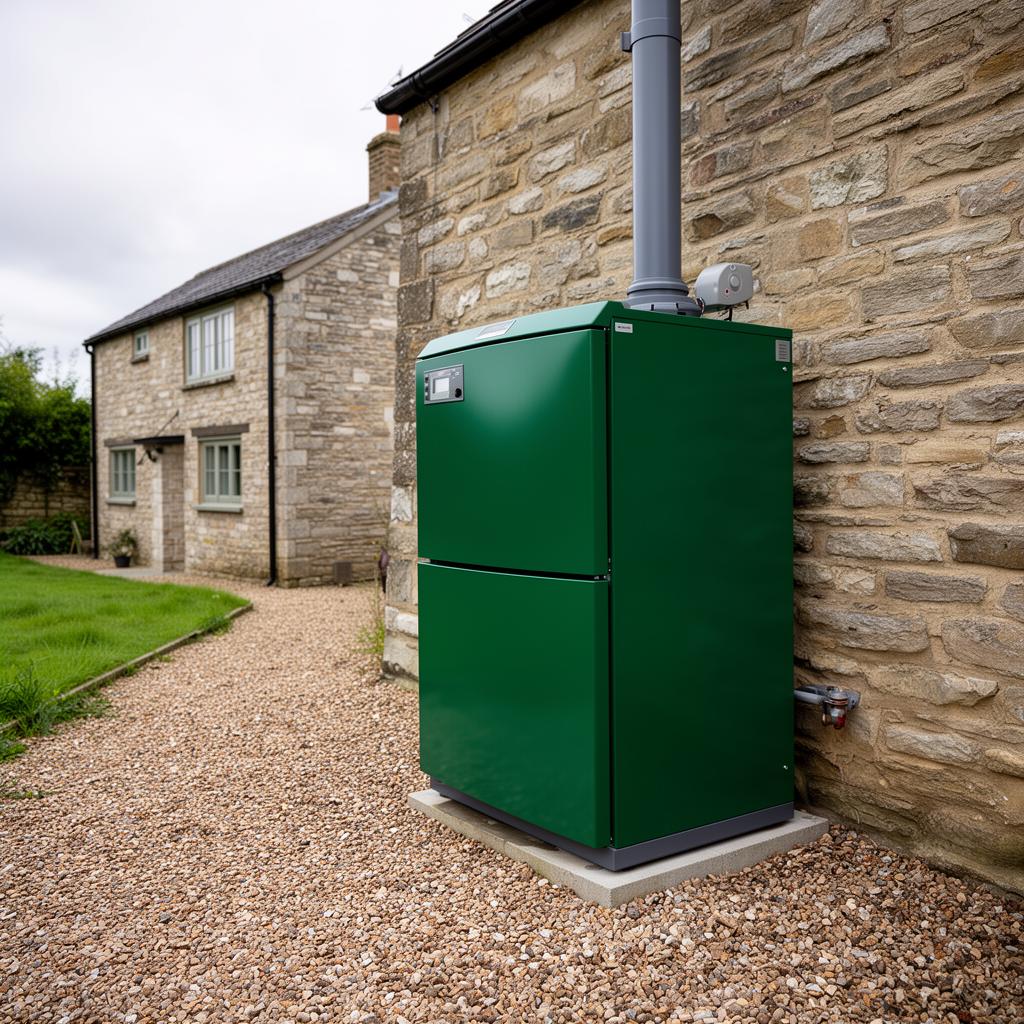
How we run oil boiler servicing on site
- OFTEC registered oil specialist
- Nozzle, electrode and fuel filter renewed
- Smoke test and pump pressure set correctly
- Oil tank and supply line inspected
- Free written quote, no obligation
- Local aftercare from a 5-mile base
Qualifications behind the work
Based at 24 Bristol Rd, Radstock — every job is run by the team that quoted it.
362+ verified reviews from real customers across BA and BS postcodes.
Reg. 549918 — every gas job notified to Building Control and a CP12 issued where required.
No verbal-only quotes. You'll get the boiler model, controls and warranty in writing before we book.
Within reach of the A36
Beyond Hinton Charterhouse we're frequently on jobs in Wellow (BA2), Norton St Philip (BA2), Freshford (BA2) and Faulkland (BA3) — so spares, follow-ups and annual services are straightforward.
Hinton Charterhouse: stock, water and fuel supply
Water here runs off carboniferous limestone and Jurassic oolite, which makes it very hard by national standards. Hard water accelerates scale build-up inside heat exchangers, cylinders and pipework, which shortens the working life of components that aren't protected against it. On jobs in this area we factor scale protection into the specification rather than treating it as an optional extra, because the difference between a protected and unprotected system shows up within a few years, not decades. It's a genuine local variable, not generic sales advice, and it applies whether the property is on mains gas or oil. Water here is very hard limestone water, so scale protection is specified accordingly. Conservation and listed constraints apply to parts of the area, so external work is checked first. Hinton Charterhouse is roughly 5 miles from our Radstock base via the A36. Typical property stock here: stone village homes. Hinton Charterhouse sits in the Somerset BA2 postcode and is part of our weekly run, so local response is quick. Repair calls in Hinton Charterhouse usually get a same-week visit, with most common faults fixed on the first attempt.
Straight answers for Hinton Charterhouse homeowners
- Is oil more expensive to run than mains gas?
- Oil and gas prices both move with the wholesale market and neither is fixed, so a blanket answer isn't honest. What we can say is that a modern condensing oil boiler, correctly sized and commissioned, will run considerably more efficiently than an old non-condensing model — that efficiency gap usually matters more than the fuel choice itself.
- What does "commissioning" a boiler actually involve?
- Commissioning is setting the boiler up correctly for the property rather than just switching it on: checking gas or oil pressure and flow rates, setting flow temperatures, testing safety devices, balancing the system, and completing the manufacturer's Benchmark checklist. Skipping this properly is one of the most common reasons warranty claims get refused later.
- What's actually checked during an annual boiler service?
- A service includes a visual and functional check of the boiler's casing and controls, flue gas analysis to confirm safe and efficient combustion, checking the flame picture and pressure, inspecting seals and condensate, and testing safety devices. It's a safety check as much as a performance one, and it's what keeps most manufacturer warranties valid.
- How does LPG heating differ from mains gas day to day?
- An LPG boiler works the same way as a mains gas one day to day, but the gas is stored in a tank or cylinders on site and topped up by a supplier rather than piped in continuously. That means keeping an eye on tank levels and arranging deliveries, but appliance choice, controls, and servicing requirements are otherwise very similar.
- How do we decide between a combi boiler and a boiler-plus-cylinder system?
- It comes down to hot water demand and available space. A combi heats water on demand with no cylinder to fill, which suits smaller households and single-bathroom homes, while a system or regular boiler with a cylinder stores hot water and copes far better where two bathrooms or a bath and shower run at the same time.
- Is a boiler install a noisy, disruptive job?
- There's unavoidable noise — drilling for the flue, pipework, sometimes moving a cylinder — but a straightforward swap is usually done within a working day with the mess kept to the immediate work area. We dust-sheet the route in and out and clear away pipe offcuts and old parts before we leave.
Next step for Hinton Charterhouse
Finishing oil boiler servicing isn't the end of the relationship — if something doesn't feel right once the system's been running for a while, get in touch and we'll come back and look at it. Annual servicing afterwards keeps the guarantee valid and the system running as it should. Send the appliance make, model and any fault code and you get a straight answer, not a sales script. homes alongside small commercial and agricultural premises make up most enquiries from this postcode. Terrain is level, which matters for condensate runs and tank siting.
Hinton Charterhouse coverage and distances
- County
- Somerset
- Postcode district
- BA2
- Settlement type
- village
- Nearest classified road
- A36
- Distance from our base
- 5 miles (Radstock, BA3)
- Typical building stock
- stone village homes
- Water hardness
- very hard limestone water
- Fuel availability
- mains gas with off-grid pockets
- Customer mix
- homes alongside small commercial and agricultural premises
- Nearby areas covered
- Wellow, Norton St Philip, Freshford, Faulkland
Things we check around Hinton Charterhouse
Chimney liners for boilers using an existing flue
Where an older boiler used the property's original brick or stone chimney as its flue route, a replacement condensing boiler usually can't use the same masonry flue unlined, because the flue gases are cooler and wetter and will attack unprotected brickwork and mortar over time. A correctly specified stainless steel liner, sized to the boiler manufacturer's flue length and diameter tables, carries the flue gases safely and lets the existing chimney be reused rather than needing a new wall or roof penetration — often the only realistic option on a listed or solid-wall property in Hinton Charterhouse where an external flue run isn't permitted. The liner has to be inspected and swept as part of ongoing servicing exactly as an open-fire flue would be, which is easy to overlook once it's hidden inside the chimney.
How a condensing boiler recovers extra heat
A condensing boiler passes flue gases through a secondary heat exchanger before they leave the flue, extracting additional heat by condensing water vapour in the exhaust back into liquid, which is expelled as the mildly acidic condensate water down the drain. This is why every condensing boiler needs a condensate drainage route as part of its installation, unlike older non-condensing boilers, which simply vented hot dry gas straight out. The efficiency benefit only fully materialises when the boiler is actually condensing regularly, which needs a return water temperature low enough — generally below 55°C — for water vapour to condense in the first place. A condensing boiler run permanently at a high flow temperature can spend much of its time not actually condensing, which is one of the main reasons flow temperature settings matter as much as the boiler model chosen.
Single-pipe circuits in older stone cottages
A lot of the stone cottages and farmhouses around Hinton Charterhouse were plumbed decades ago on a single-pipe gravity circuit, where each radiator draws from and returns to the same loop rather than having its own flow and return. It works, but radiators furthest from the boiler receive water that's already cooled after giving up heat to the ones before it, so the far end of the house is always the coldest. Converting to a two-pipe layout means new pipe runs, which in a stone cottage often means chasing lime plaster or lifting flagstones — not a trivial job. Where a full rewire of the pipework isn't wanted, we sometimes improve balance instead by oversizing the radiators nearest the end of the run and fitting TRVs to hold back the ones nearest the boiler.
Working across Somerset: what being local changes
Being based at 24 Bristol Road, Radstock, 5 miles from Hinton Charterhouse via the A36, means a callout doesn't involve a long cross-county drive, and it also means familiarity with the recurring patterns in the local building stock — stone village homes — rather than encountering that construction type for the first time on-site. Local knowledge doesn't replace a proper site survey, but it does mean fewer surprises: knowing in advance that a particular postcode area typically has hard water, older single-pipe circuits, or restricted parking means the quote reflects the likely reality of the job before the first visit. We're Gas Safe and OFTEC registered and work across Somerset on that basis, not by claiming coverage we don't actually deliver on.
Do you need listed building consent for a new flue?
Whether a new boiler flue on a listed building in or around Hinton Charterhouse needs formal listed building consent depends on whether the work affects the building's special architectural or historic character — cutting through an original stone wall or a decorative elevation is far more likely to need consent than routing through a later, non-original extension. Consent has to be granted before the work starts; carrying it out first and applying afterwards is a criminal offence under the Planning (Listed Buildings and Conservation Areas) Act, not just a paperwork formality to tidy up later. We recommend checking with the local planning authority's conservation team at the quoting stage on any listed property, because the answer varies by building and by exactly which wall is proposed, and getting it wrong can mean expensive remedial work to satisfy the authority afterwards.
Condensate soakaways where there's no convenient drain
Properties without a nearby internal waste connection or external gully for the boiler's condensate — common on rural plots around Hinton Charterhouse where the nearest drain run is a long way from the boiler's location — sometimes need a dedicated condensate soakaway instead. This is a small pit filled with granular material that the condensate, which is mildly acidic, can disperse into gradually rather than running to a drain at all. Sizing and siting it correctly matters: it needs to be far enough from foundations and sited where the local ground can actually absorb the modest but steady volume a boiler produces, particularly over a long heating season. Where ground conditions make a soakaway unreliable, running a longer insulated pipe to a proper drainage connection is usually the safer long-term choice even though it's more work to install.
Electronic and physical scale reducers compared
In very hard limestone water areas like Hinton Charterhouse, a scale reducer fitted on the boiler's cold feed protects the heat exchanger without the ongoing salt and drainage requirements of a full water softener. Physical scale reducers use a polyphosphate or template-assisted crystallisation cartridge that alters how calcium carbonate crystallises so it's less likely to adhere to hot surfaces; electronic and electromagnetic devices claim a similar effect without a cartridge to replace, though the evidence base for electronic types is weaker and more inconsistent than for physical media. Manufacturers including Worcester Bosch now specify a scale reducer or softener as a condition of extended guarantees in hard water areas, so the choice affects warranty validity as well as long-term performance, not just descale frequency.
Other boiler services in Hinton Charterhouse
- Boiler Installation in Hinton CharterhouseNew combi, system and regular boiler installations for gas and oil homes — fixed prices, manufacturer warranties.
- Gas Boiler Installation in Hinton CharterhouseGas Safe registered installations and upgrades for mains gas homes across Bath, Radstock and Wells.
- Oil Boiler Installation in Hinton CharterhouseOFTEC-trained oil boiler specialist for rural homes off the gas grid — tank and boiler replacements.
- Boiler Servicing in Hinton CharterhouseAnnual boiler services to keep your warranty valid and your home safe, efficient and warm.
- Maintenance & Repair in Hinton CharterhouseDiagnostics, repairs and breakdown call-outs for gas and oil boilers across BA and BS postcodes.
- Landlord Gas Safety Certificates in Hinton CharterhouseAnnual CP12 landlord gas safety records issued on the day, for single lets, HMOs, holiday lets and whole portfolios.
- Oil Boiler Repairs in Hinton CharterhouseOil boiler breakdown repairs across rural Somerset, from lockouts and sooting to pump, photocell and control faults.
- Oil Tank Replacement in Hinton CharterhouseBunded oil tank replacement and relocation with base preparation, new supply line and OFTEC paperwork on completion.
New Worcester boiler with a 10 year guarantee*
Free no-obligation quotes for installation, servicing & repairs across BA & BS postcodes.