
Heating and safety for short-let properties
A heating fault in a short let costs a refund and a review, not just a repair bill. The two things that matter most are compliance paperwork and equipment that guests can't accidentally misconfigure.
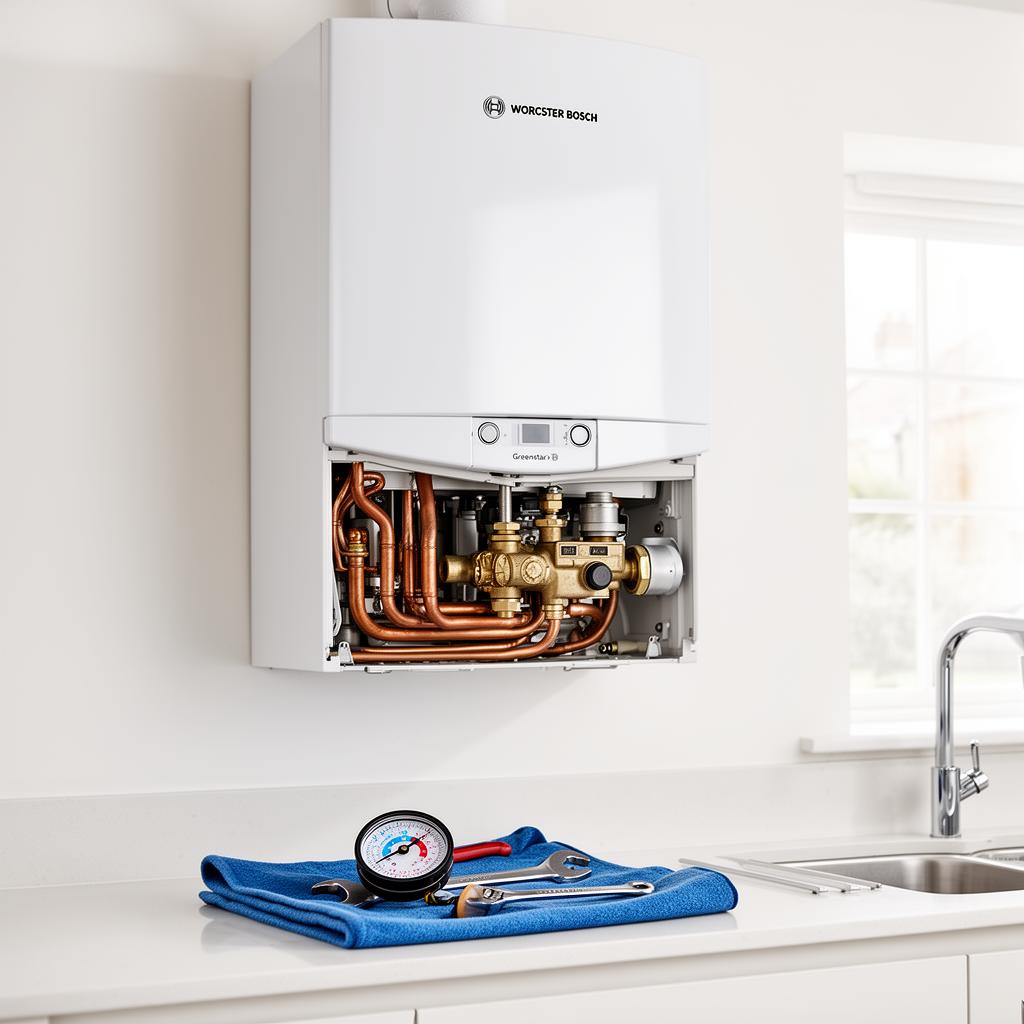
Guest-proofing the system
Most winter complaints in holiday properties come from controls, not boilers: a guest overrides the schedule, sets the stat to five degrees, or knocks a TRV shut. Lockable or restricted-range controls and a clearly labelled programmer prevent most callouts. Reliable hot water recovery matters too, because guest usage patterns are far spikier than a household's.
What we recommend for short lets
- Annual gas safety certificate held on file and displayed as required
- Controls with restricted range or a guest-friendly single dial
- Hot water capacity checked against peak simultaneous use
- Frost protection for properties left empty between bookings in winter
Frequently asked
- Is a CP12 required for a holiday let?
- Gas safety obligations apply to let property, and most platforms and insurers expect a current certificate. We issue one annually.
- Can you attend faults quickly during a booking?
- We prioritise occupied properties and can usually attend within a day across our core patch.
- What about empty periods in winter?
- Set a low background temperature and fit frost protection — cheaper than a burst pipe between bookings.
Prevention pays here
In short lets the cost of a fault is the lost booking. Servicing before the season and simplifying the controls removes most of the risk.
Related solutions
Core services
Where we cover
New Worcester boiler with a 10 year guarantee*
Free no-obligation quotes for installation, servicing & repairs across BA & BS postcodes.