
Heating a listed farmhouse without damaging fabric
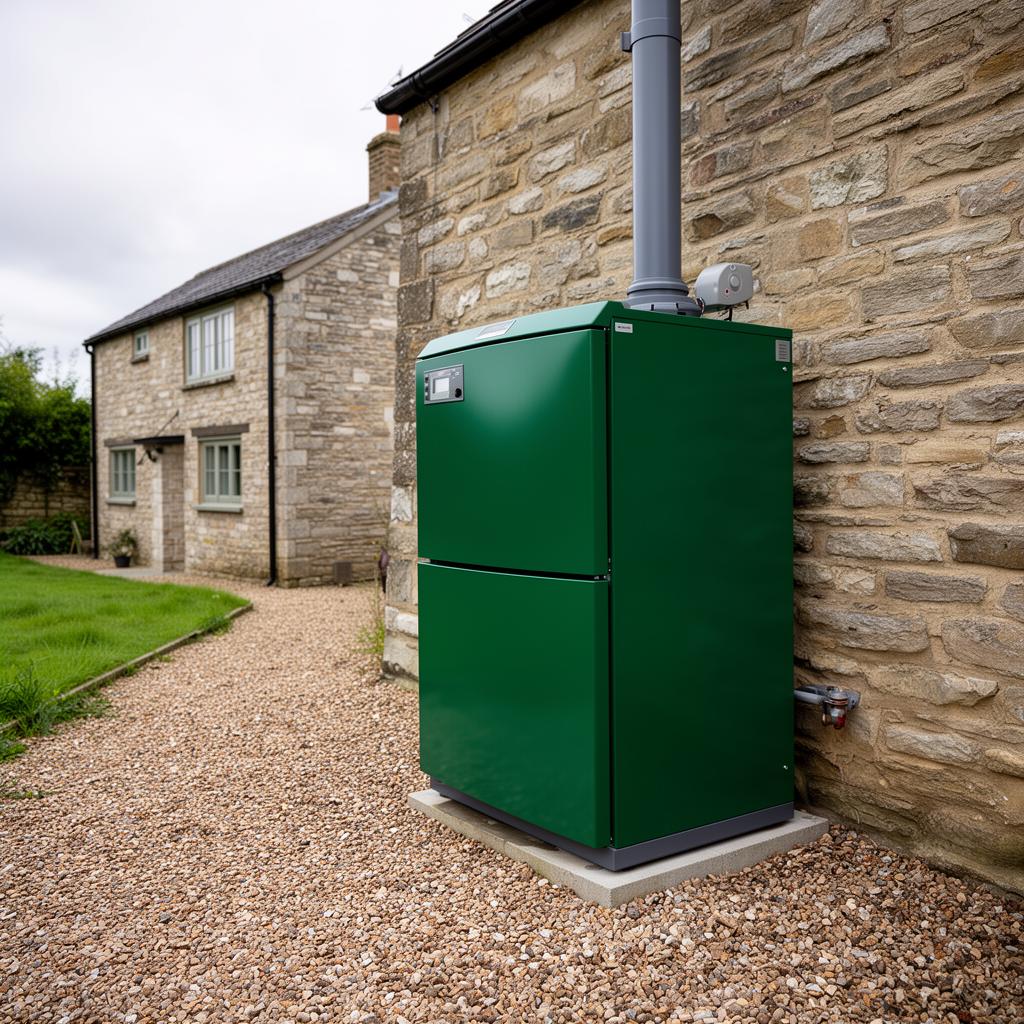
Listed properties need the heating designed around the building rather than the other way round. Pipe routes, emitter positions and flue termination all become fabric decisions as much as technical ones.
Working with old fabric
Traditional solid walls manage moisture by breathing. Heating strategy interacts with that: consistent gentle background heat is kinder to old fabric than repeated cold-to-hot swings. Practically, that favours a well-controlled system running at moderate flow temperature with generously sized emitters, rather than short bursts at 80°C.
What we plan carefully
- Pipe routes using existing voids and service runs where possible
- Emitter sizing that allows lower, steadier flow temperatures
- Flue termination chosen for minimal visual impact
- Any consent questions flagged to you before work is scheduled
Frequently asked
- Do I need listed building consent for a boiler?
- It depends on the work and the building — external flues and fabric alterations are the usual triggers. Your local authority is the authority on it; we'll tell you when to ask.
- Are oil boilers common in these properties?
- Very. Most listed farmhouses on our patch are off the gas grid, so oil or LPG is the practical fuel.
- Can you avoid lifting flagstone floors?
- Usually, by routing at high level or through existing voids. We'll agree routes before starting.
Slower survey, better outcome
These jobs take longer to specify and that's exactly the point. We'd rather spend an extra hour on routes than damage something irreplaceable.
Related solutions
Core services
Where we cover
New Worcester boiler with a 10 year guarantee*
Free no-obligation quotes for installation, servicing & repairs across BA & BS postcodes.