
Capping a redundant gas supply: why it cannot be left open
When a gas appliance is permanently removed, the pipework that fed it must be properly capped, not simply left disconnected with an open end.
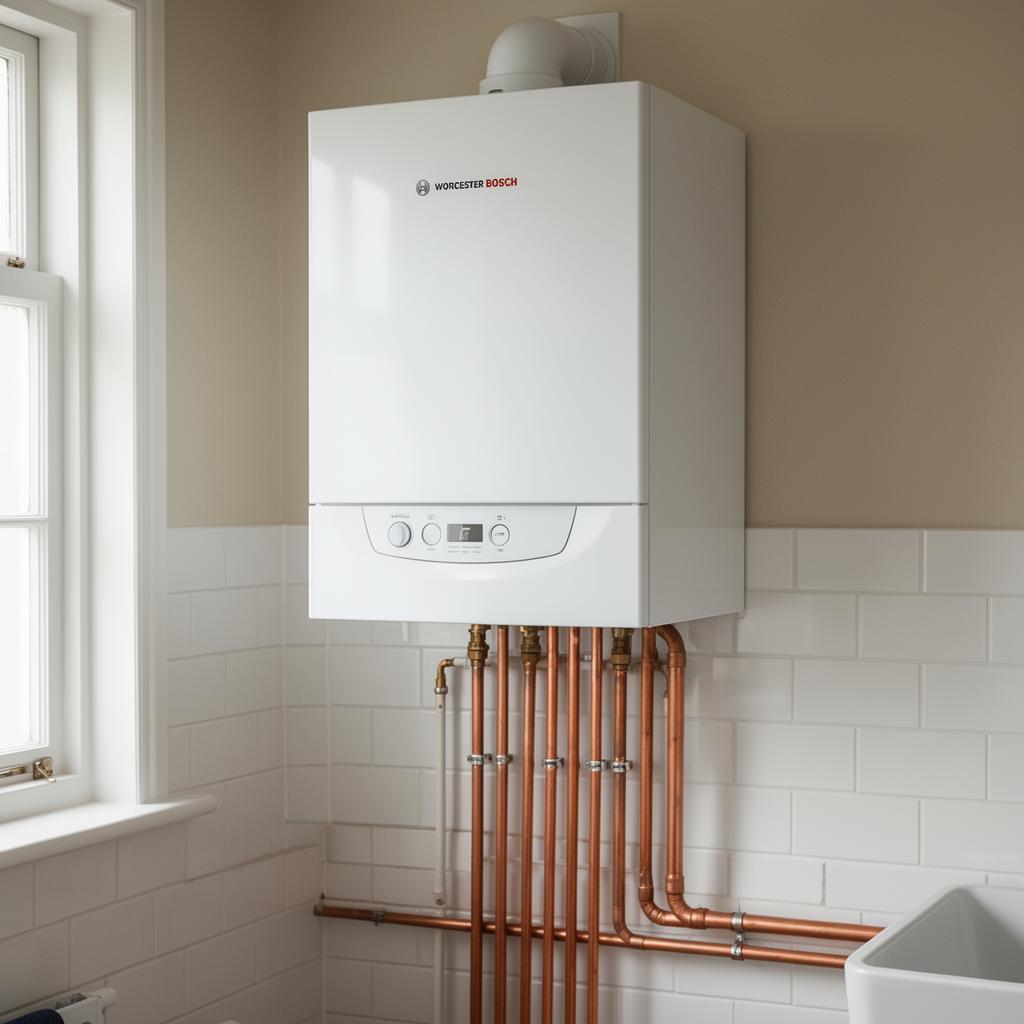
How we read capping a redundant gas supply on site
An open pipe end is a route for gas to escape if the supply is ever inadvertently turned back on, whether by someone unaware the appliance has been removed or during unrelated work elsewhere on the system. A proper cap is a fitting rated for the purpose, pressure-tested afterwards to confirm it holds, and the work is recorded as part of the wider job. This is standard practice whenever a gas fire, cooker or boiler is taken permanently out of use.
Capping a redundant gas supply: engineer's shortlist
- An open, uncapped pipe end is a genuine safety hazard
- Caps must be rated fittings, not improvised solutions
- The capped pipework is pressure-tested to confirm it holds
- Capping applies to gas fires and cookers, not only boilers
- The work should be recorded alongside the appliance removal
Where we deal with this
Who should undertake the work
- Gas appliance work must be completed by a suitably qualified Gas Safe engineer
- Oil appliance work should be completed by a suitably qualified OFTEC technician
- Jamie Crawford Heating states both Gas Safe and OFTEC registration
Get capping a redundant gas supply looked at properly
Our advice: Capping is a small job with a serious purpose — it turns a disconnected appliance into a genuinely safe, sealed installation.
Published opening hours are Monday to Friday, 8:30am to 5:00pm.
Related help pages
- Repair or replaceWhen a boiler repair genuinely stops making sense
- Seasonal servicingWhy booking a service before winter makes practical sense
- Flue safetyFlue integrity and spillage testing: why they matter
- Vacant property careServicing a boiler in an empty or unoccupied property
- Baxi fault codeBaxi E133: gas supply or ignition failure on a Baxi combi
- Worcester fault codeWorcester A7: sealed system pressure fault on a Greenstar
Services that cover this
Questions we get asked
- Is capping legally required?
- It is standard, required Gas Safe practice whenever an appliance is disconnected from a live gas supply on a permanent basis.
- Can I cap a gas pipe myself?
- No — this is gas work and must be carried out by a Gas Safe registered engineer, then tested before being left.
New Worcester boiler with a 10 year guarantee*
Free no-obligation quotes for installation, servicing & repairs across BA & BS postcodes.