
Cost of power flushing a heating system in 2026
Cold patches at the bottom of radiators, a noisy boiler, or repeated pump failures often point to sludge and debris built up inside a central heating system over years of use. Power flushing clears this out mechanically, and the cost scales with how many radiators the system has.
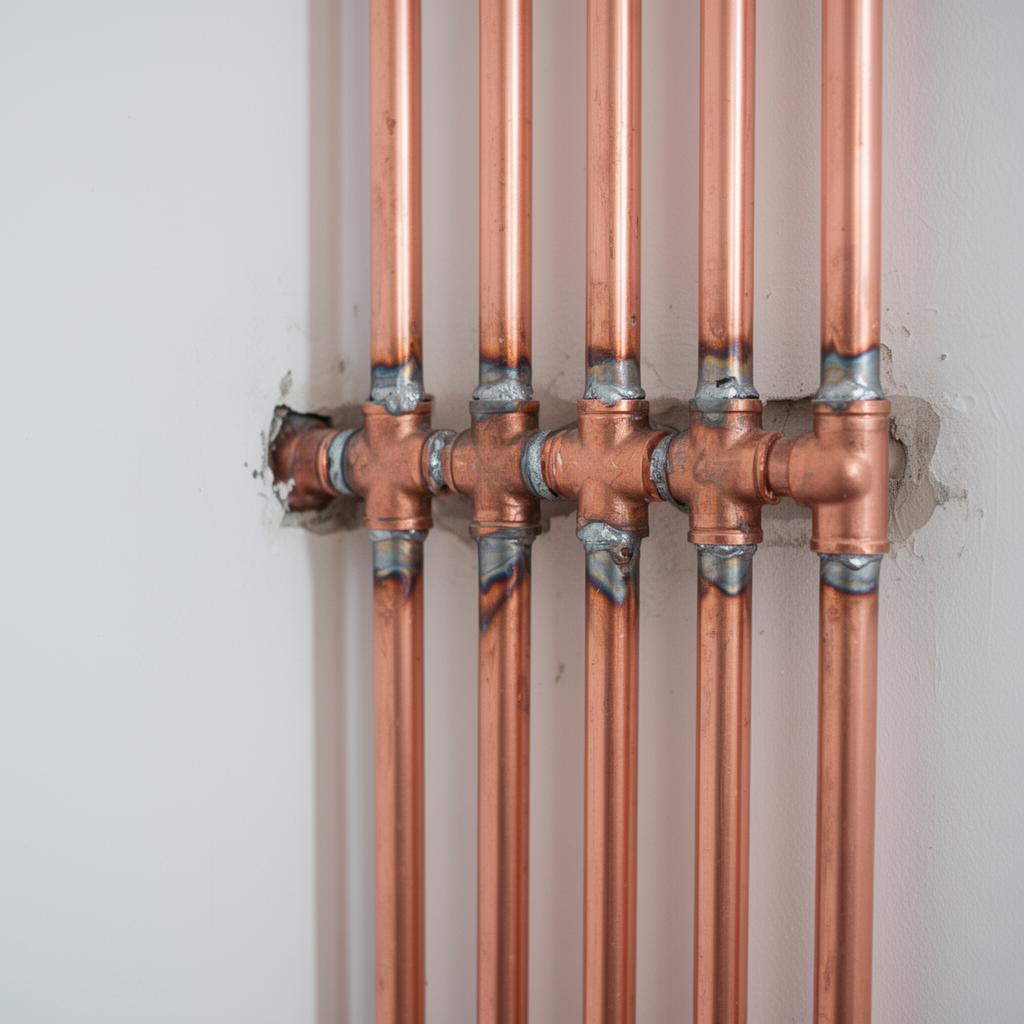
What we check first with power flushing
In 2026, power flushing a typical system with 6 to 8 radiators generally costs £350 to £500, rising to £500 to £650 or more for larger homes with 10 or more radiators, since the process takes longer and uses more chemical cleaner and rinse water per radiator. The process involves connecting a pump to the system, circulating a cleaning chemical through each radiator in turn while agitating trapped debris, then flushing it out with clean water until it runs clear, before refilling with fresh inhibitor to protect against future corrosion. It's typically recommended alongside a new boiler installation where the existing system is known to be sludged, or as a standalone fix where symptoms like cold radiator bottoms or a noisy boiler point clearly to a sludge problem rather than a boiler fault.
Key points on power flushing
- 6 to 8 radiator systems typically cost £350 to £500 to power flush in 2026
- Larger systems with 10+ radiators typically cost £500 to £650 or more
- Cold patches at the bottom of radiators are a classic sign of sludge build-up
- Fresh inhibitor is added after flushing to protect against future corrosion
- Often recommended alongside a new boiler install on an older, sludged system
Where we deal with this
Who should undertake the work
- Gas appliance work must be completed by a suitably qualified Gas Safe engineer
- Oil appliance work should be completed by a suitably qualified OFTEC technician
- Jamie Crawford Heating states both Gas Safe and OFTEC registration
Straight answers on power flushing
Our advice: At £350 to £650 depending on system size, power flushing is a worthwhile fix where sludge, not a faulty boiler, is causing cold spots or noise.
Jamie Crawford Heating is based at 24 Bristol Road, Radstock, BA3 3EE.
Related help pages
- Running costsOil vs gas running costs compared for 2026
- Cost driversHow flue routing affects the scope of an installation
- ProcessRegistering your boiler's warranty after installation
- ProcessWhat to consider before choosing a service plan
- Pump diagnosticsCentral heating pump failure and pump seizure explained
- Service frequencyHow often a boiler actually needs servicing
Services that cover this
Questions we get asked
- How do I know if my system needs a power flush?
- Cold patches on radiators, a noisy boiler, discoloured water when bleeding a radiator, or repeated pump or valve failures are all common indicators.
- Is power flushing always needed with a new boiler?
- Not always, but it's often recommended on an older system with known sludge issues to protect the new boiler's components from contamination.
- How long does a power flush take?
- Typically a full day for an average-sized system, depending on radiator count and how much debris needs clearing.
- Does power flushing damage old pipework?
- It's designed not to, but very old or fragile pipework is assessed beforehand, since aggressive flushing on already weak pipework carries some risk.
New Worcester boiler with a 10 year guarantee*
Free no-obligation quotes for installation, servicing & repairs across BA & BS postcodes.