
Emergency Boiler Repair, No Heat in Publow? Local Engineer, Fast
If you've already had one quote for emergency boiler repair and it doesn't quite add up, or another engineer has recommended something you're not sure about, a second opinion costs you a conversation and nothing more. We're Gas Safe registered, OFTEC registered and a Worcester Bosch Accredited Installer, working from 24 Bristol Road, Radstock BA3 3EE, and we'll tell you plainly if we think a different approach fits your property better. Our van runs the unclassified to reach you, 6 miles out from the Radstock workshop. Nearest neighbours on our round are Pensford, Compton Dando, Chelwood. In Publow itself (BS39, Somerset) that usually means stone village homes, roughly 6 miles from the workshop.
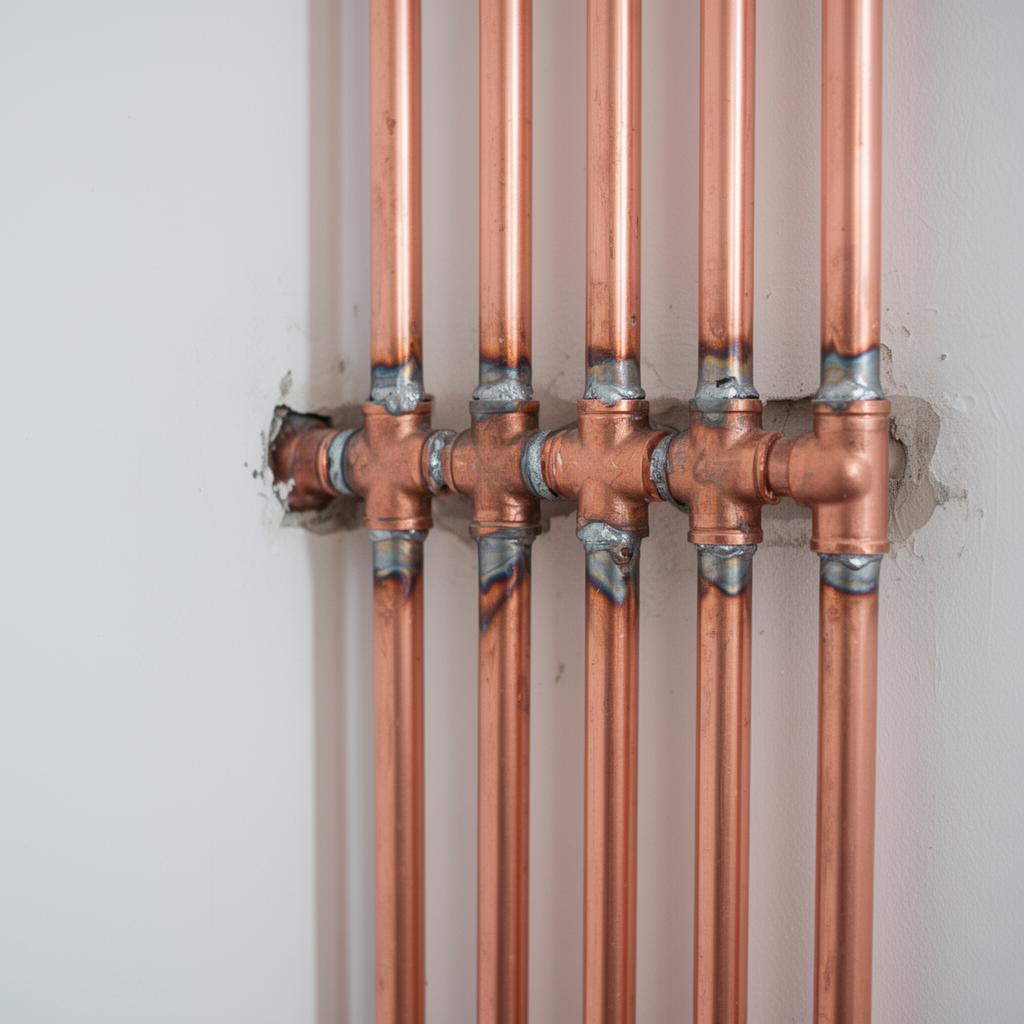
This area has a genuine mix of mains gas and oil-fired properties, sometimes on the same street, depending on when the gas network reached that particular row of houses. It's worth confirming which fuel your property is actually on and whether a fuel switch is realistic before assuming either option is off the table. Being registered for both Gas Safe and OFTEC work means we can look at the honest options for your specific property rather than steering you toward whichever fuel we happen to be set up for. Terrain is valley floor, which matters for condensate runs and tank siting. Typical era of build is mixed-cottage, which affects existing pipework and system cleanliness. Publow sits roughly 6 miles from our Radstock base via the unclassified. We're on the road across BS39 every day, so emergency response is genuinely local — not a third-party engineer dispatched from the other side of the county.
Also covering the lanes around Publow
We cover Publow alongside Pensford (BS39), Compton Dando (BS39), Chelwood (BS39), Stanton Drew (BS39) — so spares, follow-ups and annual visits are easy to schedule together.
Proof, paperwork and accountability
We never swap parts blindly. You'll see the fault confirmed before any spare goes in.
Every gas job notified to Building Control. Photo-evidenced repairs where relevant.
Oil boilers and tanks covered — we don't bounce oil-fired call-outs to another firm.
Diverter valves, expansion vessels, pumps, common PCBs — first-visit fixes are the norm.
What the buildings in Publow change about the job
This area has a genuine mix of mains gas and oil-fired properties, sometimes on the same street, depending on when the gas network reached that particular row of houses. It's worth confirming which fuel your property is actually on and whether a fuel switch is realistic before assuming either option is off the table. Being registered for both Gas Safe and OFTEC work means we can look at the honest options for your specific property rather than steering you toward whichever fuel we happen to be set up for. Terrain is valley floor, which matters for condensate runs and tank siting. Typical era of build is mixed-cottage, which affects existing pipework and system cleanliness. Publow sits roughly 6 miles from our Radstock base via the unclassified. We're on the road across BS39 every day, so emergency response is genuinely local — not a third-party engineer dispatched from the other side of the county.
Common faults we see — Publow
- No heat / no hot water — diverter valve, PCB
- Pressure dropping — expansion vessel, leak
- Boiler locked out — fan, sensor, PCB
- Cold radiators — pump, sludge, valves
- Frozen condensate (winter) — quick thaw + insulate
- Hot water only — thermostat or motorised valve
Straight answers for Publow homeowners
- How does LPG heating differ from mains gas day to day?
- An LPG boiler works the same way as a mains gas one day to day, but the gas is stored in a tank or cylinders on site and topped up by a supplier rather than piped in continuously. That means keeping an eye on tank levels and arranging deliveries, but appliance choice, controls, and servicing requirements are otherwise very similar.
- Stone cottages seem to lose heat fast — does that change what boiler we need?
- Solid stone walls and older windows do increase heat loss compared to cavity-wall construction, so we size the boiler and radiators around a proper heat loss calculation for the property rather than just matching what's there already. Getting this right matters more in a cottage than a modern house, where an undersized system will never quite keep up.
- What's actually checked during an annual boiler service?
- A service includes a visual and functional check of the boiler's casing and controls, flue gas analysis to confirm safe and efficient combustion, checking the flame picture and pressure, inspecting seals and condensate, and testing safety devices. It's a safety check as much as a performance one, and it's what keeps most manufacturer warranties valid.
- Is a boiler install a noisy, disruptive job?
- There's unavoidable noise — drilling for the flue, pipework, sometimes moving a cylinder — but a straightforward swap is usually done within a working day with the mess kept to the immediate work area. We dust-sheet the route in and out and clear away pipe offcuts and old parts before we leave.
- Can you look over a quote I've already had from another company?
- Yes, this comes up often. Send or bring in the other written quote and we'll go through the spec — boiler size, controls, cylinder if included, and what's actually listed for parts and labour — and tell you plainly whether it looks right for the property, oversized, or missing something we'd expect to see.
- We've got no heating right now — what should we do?
- Call us on 07516 118198 during our Monday to Friday, 8:30 to 5 hours and we'll fit you in as a priority where we can, since no-heat and no-hot-water calls get pushed to the front of the working day's schedule. We don't run an out-of-hours line, so outside those hours it's worth checking with the boiler manufacturer's own emergency support in the meantime.
Coverage detail for BS39
- County
- Somerset
- Postcode district
- BS39
- Settlement type
- village
- Nearest classified road
- unclassified
- Distance from our base
- 6 miles (Radstock, BA3)
- Typical building stock
- stone village homes
- Water hardness
- hard water
- Fuel availability
- mains gas with off-grid pockets
- Customer mix
- homes alongside small commercial and agricultural premises
- Nearby areas covered
- Pensford, Compton Dando, Chelwood, Stanton Drew
Things we check around Publow
Radiator sizing after lowering the flow temperature
Running a boiler at a lower flow temperature — typically 55°C or below rather than the old default of 70-80°C — improves condensing efficiency measurably, but it also reduces the heat output of every radiator in the house, because a radiator's output falls roughly with the square of the temperature difference to the room. Radiators sized correctly for a 75°C flow can end up unable to heat the room properly at 55°C unless they're upsized or supplemented. We check each radiator against the lower design flow temperature before recommending it, and where a room falls short we look at whether a larger single panel, a double panel, or an additional radiator on that circuit closes the gap, rather than pushing the flow temperature back up and giving away the efficiency gain.
What different boiler noises usually mean
A kettling or rumbling sound from a boiler is most often scale or sludge build-up on the heat exchanger causing localised boiling as water is trapped and overheated in restricted channels — the heating equivalent of a kettle furring up. A banging or knocking sound in pipework, sometimes called water hammer, is usually caused by a valve closing too quickly or trapped air rather than the boiler itself. A whining or humming sound tends to point to the circulating pump, either from wear or from air in the system reducing lubrication at the bearing. Diagnosing correctly from the noise alone isn't reliable enough to act on without checking system pressure, inhibitor condition and the pump directly, but the noise itself is a useful first indicator of which of those to check first.
Heating where a home sits alongside commercial premises
Properties around Publow that combine living accommodation with an attached shop, workshop or other commercial space often need heating designed as genuinely separate zones with independent controls, since a shop's occupied hours and heating demand rarely match the flat or house above it. Where the two shared a single ageing system, splitting them onto separate zone valves — or, on a larger scale, separate boilers — stops one side subsidising or interfering with the other's heating schedule. Commercial space also sometimes falls under different servicing and safety-record obligations than the residential side, depending on how it's used, so it's worth establishing which parts of the building fall under which regime before assuming a single annual service covers everything.
Heating outbuildings and annexes within an AONB
Converting an outbuilding to a habitable annexe within the Mendip or Chew Valley AONB around Publow often comes with planning conditions attached to external alterations, which can affect where a flue, condensate pipe or oil tank for the new space is permitted to sit relative to the original building's character. Extending an existing boiler or cylinder to also serve the annexe, rather than installing a second separate system, sometimes avoids adding further visible plant to the property, though it depends on whether the existing system has the capacity and pipe run length to serve the extra space without compromising performance at the main house. We check both the planning constraints and the existing system's spare capacity before recommending whether to extend or install separately.
Chasing pipework into lime plaster and stone walls
Solid stone or cob walls finished in lime plaster, common in the older parts of Publow, behave very differently to modern plasterboard when a pipe run needs chasing in. Lime plaster is softer and more porous than gypsum, so cutting a neat, consistent chase without blowing the surface needs a slower hand and finer disc than a stud-wall job, and any repair has to be made good in a lime-based skim rather than modern filler, which can trap moisture behind it and cause the patch to fail. On solid stone we sometimes surface-mount pipework in painted conduit instead of chasing, particularly where the wall is a significant structural thickness and chasing would weaken it. Knowing which approach a wall needs before starting avoids expensive plaster damage.
Oil tank de-sludging: why it's not optional
Oil sitting in a tank for years accumulates water from condensation and fine sediment that settles at the bottom, and over time this forms a sludge layer that can be drawn into the fuel line, particularly when the tank is nearly empty and the outlet pulls from lower in the tank than usual. Sludge blocks fine oil filters and burner nozzles, which shows up as burner lockouts or a boiler that won't fire cleanly rather than as an obvious tank problem. De-sludging drains and cleans the tank base without necessarily removing the whole tank, and it's worth doing when a tank is inherited with a property, before switching to a new boiler, or if lockouts recur despite the filter and nozzle being replaced. It's a preventative job that's cheaper done on schedule than after a burner failure it caused.
Working across Somerset: what being local changes
Being based at 24 Bristol Road, Radstock, 6 miles from Publow via the unclassified, means a callout doesn't involve a long cross-county drive, and it also means familiarity with the recurring patterns in the local building stock — stone village homes — rather than encountering that construction type for the first time on-site. Local knowledge doesn't replace a proper site survey, but it does mean fewer surprises: knowing in advance that a particular postcode area typically has hard water, older single-pipe circuits, or restricted parking means the quote reflects the likely reality of the job before the first visit. We're Gas Safe and OFTEC registered and work across Somerset on that basis, not by claiming coverage we don't actually deliver on.
Your next move in BS39
Correct sizing matters more than most people realise for emergency boiler repair: an undersized system struggles to keep up, and an oversized one costs more to run and buy than it needs to. We size against the property's actual heat loss and hot water demand, not a rule of thumb. We can usually pair the visit with other work in Pensford to keep the trip efficient. homes alongside small commercial and agricultural premises make up most enquiries from this postcode. Mains gas covers much of the area, with off-grid pockets, which changes the appliance shortlist.
Related help for Publow
- New Boiler Cost in PublowHonest, area-specific pricing guidance for a new combi, system or oil boiler — with no obligation site visit.
- Landlord Gas Safety Certificate (CP12) in PublowAnnual CP12 inspections for landlords and letting agents — digital certificate the same day.
- Boiler Replacement Quote in PublowFree, no-obligation site visits and written specifications for old boiler replacements.
- Oil Boiler Service Cost in PublowWhat an OFTEC registered oil boiler service costs locally, what is included, and what a tank inspection adds.
- Oil Boiler Repair in PublowOil boiler lockouts, sooting and no heat call outs for homes off the mains gas grid, diagnosed before parts are quoted.
- Boiler Service Cost in PublowAnnual gas boiler service pricing, what the check covers, and how a landlord certificate can be combined in one visit.
- Boiler Installation in PublowNew combi, system and regular boiler installations for gas and oil homes — fixed prices, manufacturer warranties.
- Gas Boiler Installation in PublowGas Safe registered installations and upgrades for mains gas homes across Bath, Radstock and Wells.
New Worcester boiler with a 10 year guarantee*
Free no-obligation quotes for installation, servicing & repairs across BA & BS postcodes.