
Landlord Gas Safety Certificate (CP12), Gas Safety Checks for Norton St Philip Rental Properties
Getting quotes for landlord gas safety certificate (cp12) can feel like a gamble when you don't know the trade. You want someone who turns up when they say they will, explains what they're doing, and leaves you with a system you understand. That's the standard we work to from 24 Bristol Road, Radstock BA3 3EE. We're Gas Safe registered, OFTEC registered and a Worcester Bosch Accredited Installer, so the paperwork and the workmanship both hold up to scrutiny. Our van runs the A366 to reach you, 6 miles out from the Radstock workshop. Water here is very hard limestone water, so scale protection is specified accordingly. In Norton St Philip itself (BA2, Somerset) that usually means stone cottages and modern estates, roughly 6 miles from the workshop.
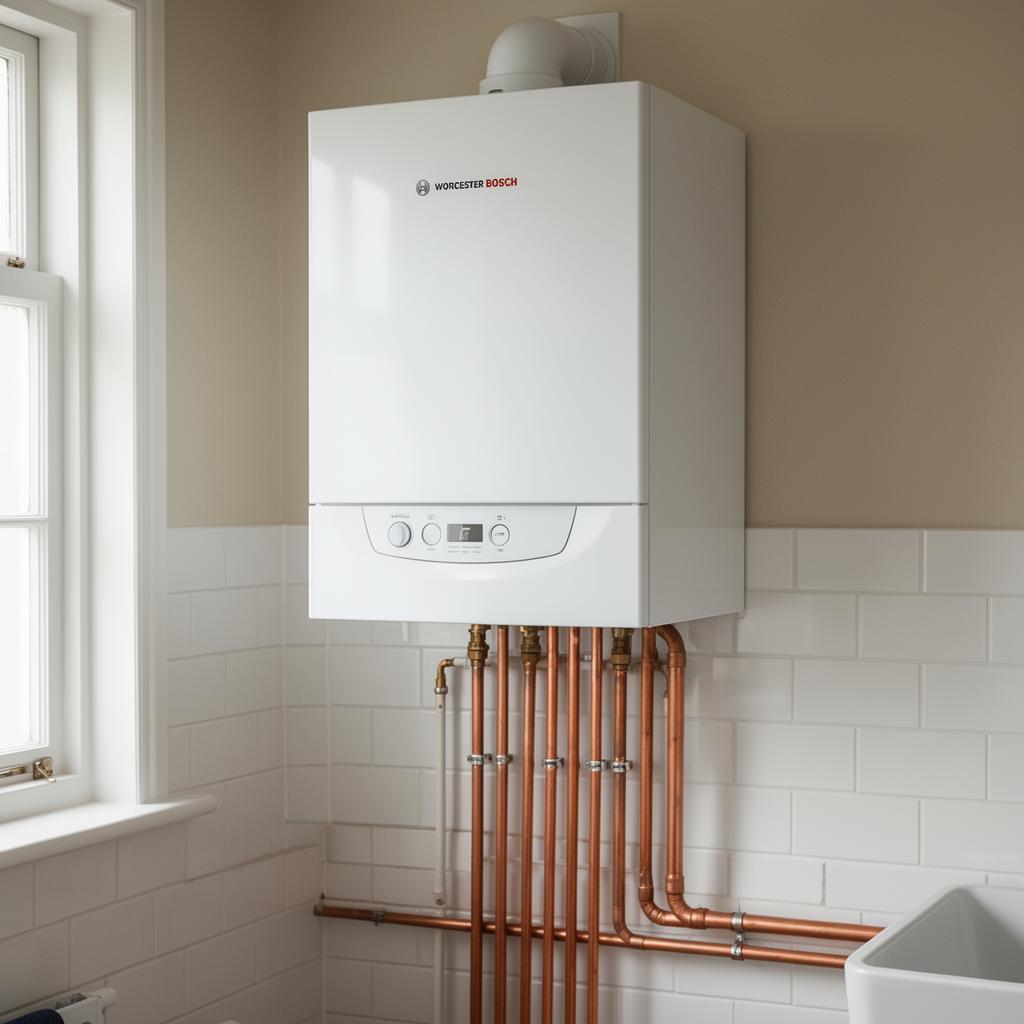
This area has a genuine mix of mains gas and oil-fired properties, sometimes on the same street, depending on when the gas network reached that particular row of houses. It's worth confirming which fuel your property is actually on and whether a fuel switch is realistic before assuming either option is off the table. Being registered for both Gas Safe and OFTEC work means we can look at the honest options for your specific property rather than steering you toward whichever fuel we happen to be set up for. homes alongside small commercial and agricultural premises make up most enquiries from this postcode. Access is lane access, so parking, spoil removal and delivery timing get planned in advance. Norton St Philip (BA2) has a healthy private-rental sector, particularly across stone cottages and modern estates. We service a number of letting-agent portfolios across the area and keep the certification cycle running so renewals never slip.
Where else we work near Norton St Philip
We cover Norton St Philip alongside Hinton Charterhouse (BA2), Wellow (BA2), Faulkland (BA3), Beckington (BA11) — so spares, follow-ups and annual visits are easy to schedule together.
Norton St Philip: stock, water and fuel supply
This area has a genuine mix of mains gas and oil-fired properties, sometimes on the same street, depending on when the gas network reached that particular row of houses. It's worth confirming which fuel your property is actually on and whether a fuel switch is realistic before assuming either option is off the table. Being registered for both Gas Safe and OFTEC work means we can look at the honest options for your specific property rather than steering you toward whichever fuel we happen to be set up for. homes alongside small commercial and agricultural premises make up most enquiries from this postcode. Access is lane access, so parking, spoil removal and delivery timing get planned in advance. Norton St Philip (BA2) has a healthy private-rental sector, particularly across stone cottages and modern estates. We service a number of letting-agent portfolios across the area and keep the certification cycle running so renewals never slip.
Proof, paperwork and accountability
Rolling 30-day reminders across every property — no missed renewals.
Notified, certified, fully insured — your statutory obligations covered properly.
Certificate emailed before we leave the property — copy direct to tenant if preferred.
Direct billing to the letting agent, single engineer across the portfolio.
Your legal duties (summary) — Norton St Philip
- Annual gas safety check by a Gas Safe engineer
- Record (CP12) issued within 28 days
- Tenant copy within 28 days, new tenants before move-in
- Records kept for 2 years
- Action any defects identified — we'll quote in writing
Questions before you book
- Is a boiler install a noisy, disruptive job?
- There's unavoidable noise — drilling for the flue, pipework, sometimes moving a cylinder — but a straightforward swap is usually done within a working day with the mess kept to the immediate work area. We dust-sheet the route in and out and clear away pipe offcuts and old parts before we leave.
- Can you look over a quote I've already had from another company?
- Yes, this comes up often. Send or bring in the other written quote and we'll go through the spec — boiler size, controls, cylinder if included, and what's actually listed for parts and labour — and tell you plainly whether it looks right for the property, oversized, or missing something we'd expect to see.
- Is oil more expensive to run than mains gas?
- Oil and gas prices both move with the wholesale market and neither is fixed, so a blanket answer isn't honest. What we can say is that a modern condensing oil boiler, correctly sized and commissioned, will run considerably more efficiently than an old non-condensing model — that efficiency gap usually matters more than the fuel choice itself.
- Is a magnetic filter really necessary, or is it an upsell?
- It's a genuine manufacturer requirement, not an add-on we invent — most boiler warranties are conditional on a system filter being fitted, particularly on hard water. The filter catches magnetite sludge and debris circulating in the system before it reaches the boiler's heat exchanger, which is what actually causes blockages and noise over time.
- What's an unvented cylinder and does it need special installation rules?
- An unvented cylinder stores mains-pressure hot water without a cold water tank in the loft, giving strong pressure at every outlet. Building Regulations require it to be fitted and commissioned by someone holding a specific unvented cylinder qualification (which we hold), including fitting the correct safety valves, because an incorrectly installed unvented cylinder is a pressure vessel hazard.
- We've got an oil-fired Rayburn or Aga heating the house — can that be replaced with a standard boiler?
- Yes, where a range cooker like a Rayburn or Aga is also running the central heating, it can be separated out and replaced with a dedicated modern oil or LPG boiler, keeping the range purely for cooking if you want to retain it, or removing it entirely. Sizing the new boiler correctly for the property is the key part of getting this right.
Area data we work from
- County
- Somerset
- Postcode district
- BA2
- Settlement type
- village
- Nearest classified road
- A366
- Distance from our base
- 6 miles (Radstock, BA3)
- Typical building stock
- stone cottages and modern estates
- Water hardness
- very hard limestone water
- Fuel availability
- mains gas with off-grid pockets
- Customer mix
- homes alongside small commercial and agricultural premises
- Nearby areas covered
- Hinton Charterhouse, Wellow, Faulkland, Beckington
Technical notes for this job type
Why very hard limestone water shortens boiler life around Norton St Philip
The limestone geology under Somerset gives Norton St Philip very hard limestone water, which drops calcium carbonate out of solution as soon as it's heated. Inside a combi's plate heat exchanger the gaps between plates are only a millimetre or two wide, so scale narrows the waterways long before it's visible anywhere else in the system. The first symptom is usually a hot tap that runs warm rather than hot, or a boiler that fires more often for the same demand. Left unchecked, scale insulates the exchanger from the burner, forces flue gases hotter, and can crack the exchanger from thermal stress. A scale reducer fitted on the mains feed, sized to the property's flow rate, is cheaper to install once than to replace a heat exchanger twice.
Electronic and physical scale reducers compared
In very hard limestone water areas like Norton St Philip, a scale reducer fitted on the boiler's cold feed protects the heat exchanger without the ongoing salt and drainage requirements of a full water softener. Physical scale reducers use a polyphosphate or template-assisted crystallisation cartridge that alters how calcium carbonate crystallises so it's less likely to adhere to hot surfaces; electronic and electromagnetic devices claim a similar effect without a cartridge to replace, though the evidence base for electronic types is weaker and more inconsistent than for physical media. Manufacturers including Worcester Bosch now specify a scale reducer or softener as a condition of extended guarantees in hard water areas, so the choice affects warranty validity as well as long-term performance, not just descale frequency.
Heating where a home sits alongside commercial premises
Properties around Norton St Philip that combine living accommodation with an attached shop, workshop or other commercial space often need heating designed as genuinely separate zones with independent controls, since a shop's occupied hours and heating demand rarely match the flat or house above it. Where the two shared a single ageing system, splitting them onto separate zone valves — or, on a larger scale, separate boilers — stops one side subsidising or interfering with the other's heating schedule. Commercial space also sometimes falls under different servicing and safety-record obligations than the residential side, depending on how it's used, so it's worth establishing which parts of the building fall under which regime before assuming a single annual service covers everything.
Chimney liners for boilers using an existing flue
Where an older boiler used the property's original brick or stone chimney as its flue route, a replacement condensing boiler usually can't use the same masonry flue unlined, because the flue gases are cooler and wetter and will attack unprotected brickwork and mortar over time. A correctly specified stainless steel liner, sized to the boiler manufacturer's flue length and diameter tables, carries the flue gases safely and lets the existing chimney be reused rather than needing a new wall or roof penetration — often the only realistic option on a listed or solid-wall property in Norton St Philip where an external flue run isn't permitted. The liner has to be inspected and swept as part of ongoing servicing exactly as an open-fire flue would be, which is easy to overlook once it's hidden inside the chimney.
What a proper heating quote should include
A quote worth relying on states the specific boiler or equipment model, the labour and materials it covers, whether a system flush and magnetic filter are included, what happens to old equipment removal and disposal, and what's excluded — an unexpected gas pipe upsizing or asbestos-containing material discovered during removal, for example, which can't always be known before work starts. It should also state who's completing the Gas Safe or OFTEC notification and Benchmark commissioning record, since that's the paperwork that protects both the manufacturer's guarantee and the property's compliance history when it's sold. A vague one-line quote makes comparing genuinely different offers difficult, because two prices that look similar can cover very different scopes of actual work.
- Specific make and model, not just "combi boiler"
- Flush and magnetic filter stated as included or excluded
- Old equipment removal and disposal covered
- Notification and Benchmark record responsibility stated
Condensate soakaways where there's no convenient drain
Properties without a nearby internal waste connection or external gully for the boiler's condensate — common on rural plots around Norton St Philip where the nearest drain run is a long way from the boiler's location — sometimes need a dedicated condensate soakaway instead. This is a small pit filled with granular material that the condensate, which is mildly acidic, can disperse into gradually rather than running to a drain at all. Sizing and siting it correctly matters: it needs to be far enough from foundations and sited where the local ground can actually absorb the modest but steady volume a boiler produces, particularly over a long heating season. Where ground conditions make a soakaway unreliable, running a longer insulated pipe to a proper drainage connection is usually the safer long-term choice even though it's more work to install.
Signs a boiler repair is no longer the right call
A boiler that's failing repeatedly, needing a different part replaced every service, or over roughly ten to fifteen years old is approaching the point where continued repair costs more over time than replacement, particularly once a heat exchanger — the most expensive single part — starts to show signs of failure through leaks or reduced output. Efficiency is the other half of the calculation: an older non-condensing boiler running at 70-80% efficiency against a modern condensing combi at over 90% means a meaningful chunk of every unit of fuel burned in the old boiler is simply lost up the flue. We give a straight answer on repair versus replace based on the fault found and the boiler's age and condition, rather than defaulting to whichever is more profitable to us on the day.
Next step for Norton St Philip
If landlord gas safety certificate (cp12) is something you're looking into, the simplest next step is a call on 07516 118198 during our normal hours, Monday to Friday, 8:30am to 5pm. Tell us a bit about the property and what's prompted the enquiry, and we'll take it from there. A written quote follows the survey — no pressure, and no charge for the Norton St Philip visit. Access is lane access, so parking, spoil removal and delivery timing get planned in advance. Typical era of build is mixed-cottage, which affects existing pipework and system cleanliness.
Related help for Norton St Philip
- New Boiler Cost in Norton St PhilipHonest, area-specific pricing guidance for a new combi, system or oil boiler — with no obligation site visit.
- Emergency Boiler Repair in Norton St PhilipSame-week (often same-day) no-heat and no-hot-water call-outs for gas and oil boilers.
- Boiler Replacement Quote in Norton St PhilipFree, no-obligation site visits and written specifications for old boiler replacements.
- Oil Boiler Service Cost in Norton St PhilipWhat an OFTEC registered oil boiler service costs locally, what is included, and what a tank inspection adds.
- Oil Boiler Repair in Norton St PhilipOil boiler lockouts, sooting and no heat call outs for homes off the mains gas grid, diagnosed before parts are quoted.
- Boiler Service Cost in Norton St PhilipAnnual gas boiler service pricing, what the check covers, and how a landlord certificate can be combined in one visit.
- Boiler Installation in Norton St PhilipNew combi, system and regular boiler installations for gas and oil homes — fixed prices, manufacturer warranties.
- Gas Boiler Installation in Norton St PhilipGas Safe registered installations and upgrades for mains gas homes across Bath, Radstock and Wells.
New Worcester boiler with a 10 year guarantee*
Free no-obligation quotes for installation, servicing & repairs across BA & BS postcodes.