
Dinder Landlord Gas Safety Certificates
Some properties make landlord gas safety certificates straightforward; others need a bit more thought about parking, access to the boiler cupboard, or how equipment gets in and out. We factor that into the visit rather than discovering it on the day. Working from 24 Bristol Road, Radstock BA3 3EE across the Radstock, Bath and Mendip area, we're Gas Safe registered and OFTEC registered, so both mains gas and oil-fired work is covered under one roof. Conservation and listed constraints apply to parts of the area, so external work is checked first. homes alongside small commercial and agricultural premises make up most enquiries from this postcode. In Dinder itself (BA5, Somerset) that usually means stone village homes, roughly 10 miles from the workshop.
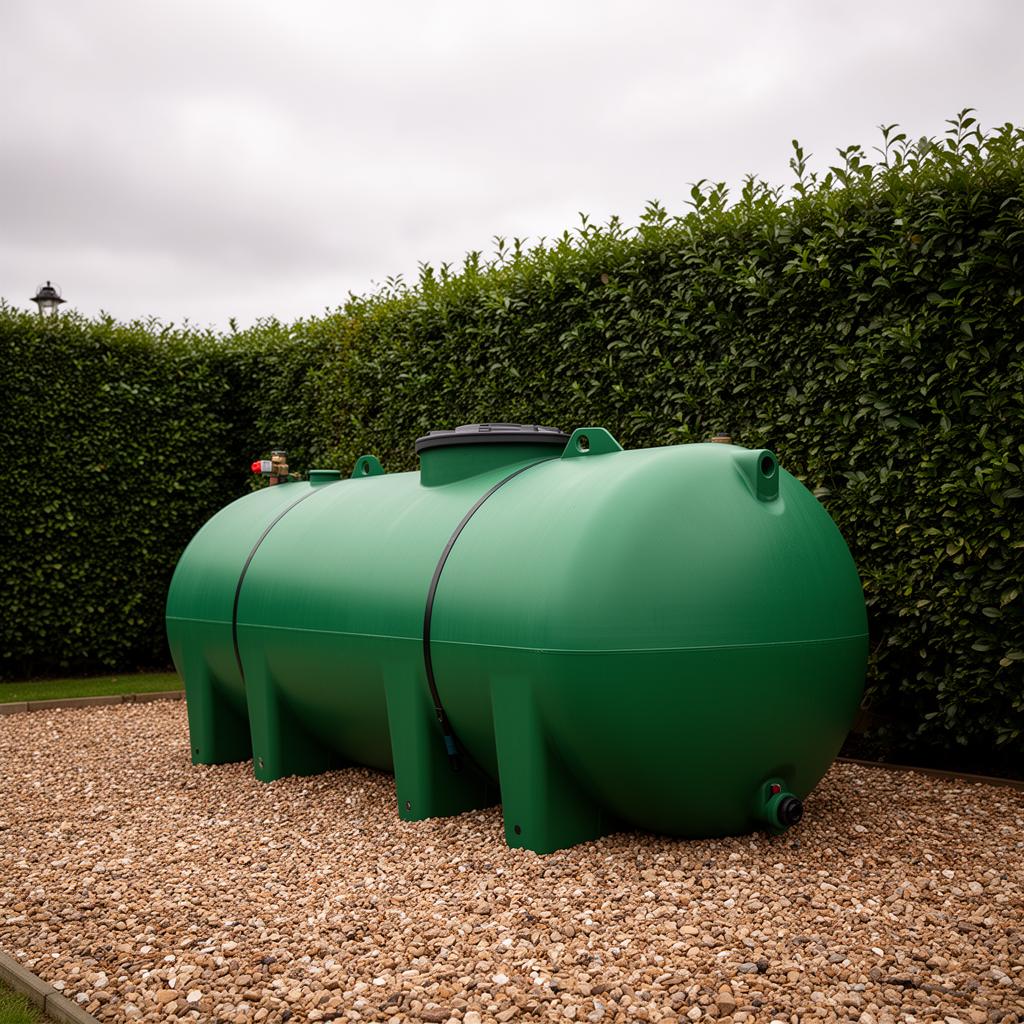
Dinder: stock, water and fuel supply
Stone cottages and farmhouses around here were mostly built long before central heating existed, so pipework and boiler locations have usually been retrofitted at some point, sometimes more than once. Thick stone walls, uneven floor levels and low ceilings can all affect where a boiler or cylinder can practically go, and older stonework doesn't always take fixings the way modern block or brick does. We work around those constraints on site rather than assuming a straightforward install. Mains gas covers much of the area, with off-grid pockets, which changes the appliance shortlist. Nearest neighbours on our round are Croscombe, Wells, Easton. Dinder is roughly 10 miles from our Radstock base via the A371. Typical property stock here: stone village homes. A meaningful share of properties around Dinder are off the gas grid, so oil boiler installs and tank swaps make up a fair part of what we do locally. Repair calls in Dinder usually get a same-week visit, with most common faults fixed on the first attempt.
The work, step by step
- Gas Safe registered, CP12 issued same day
- Tightness test, combustion analysis and flue checks
- Tenant access arranged by text or phone
- Several properties aligned to one renewal date
- Free written quote, no obligation
- Local aftercare from a 10-mile base
Where else we work near Dinder
Beyond Dinder we're frequently on jobs in Croscombe (BA5), Wells (BA5), Easton (BA5) and Pilton (BA4) — so spares, follow-ups and annual services are straightforward.
What backs up a Dinder quote
Oil boilers, oil tanks and pipework — fully certified for off-grid installs and replacements.
Based at 24 Bristol Rd, Radstock — every job is run by the team that quoted it.
Qualifies your install for the full 10-year manufacturer guarantee* on supported models.
No verbal-only quotes. You'll get the boiler model, controls and warranty in writing before we book.
Common queries, answered honestly
- Where can a new boiler actually be sited in the property?
- A combi is usually fitted in a kitchen cupboard, utility room, loft, or garage as long as flue clearances to windows, doors, and boundaries are met. A system or regular boiler with a cylinder needs a bit more room and usually stays close to its current position unless you're relocating the whole system, which is a bigger job.
- What actually happens on install day?
- The engineer isolates the gas or oil supply and water, removes the old boiler, fits and pressure-tests the new one, connects the flue and condensate, and commissions the system. For a straight swap this is usually one day; a conversion, relocation, or cylinder change can run into a second depending on the pipework involved.
- How do you decide whether to repair or replace a boiler?
- We weigh the age of the boiler, whether parts are still made for it, how many faults it's had recently, and its running efficiency against a like-for-like or upgraded replacement. If a straightforward part fixes it and the boiler's otherwise sound, we'll say so rather than push a new install you don't need.
- Being 10 miles out, does that add much time to booking a job in?
- Distance from our Radstock base doesn't change how the job's priced or scheduled — we build travel into the working day rather than tacking on a surcharge. It can mean a very early or later start slot to fit the return journey around other bookings, which we'll confirm when we schedule.
- Is it worth upgrading the heating controls when we replace the boiler?
- Where the existing controls are an old mechanical timer and single room thermostat, replacing them alongside the boiler with weather compensation or a modern programmable thermostat usually improves comfort and efficiency more than the boiler swap alone. It's not compulsory, but it's often the single best-value addition to a new install.
- Will you come out to a village like Dinder?
- Dinder is part of our core patch (10 miles from base via the A371). Same-week site visits and quick callbacks are normal.
Booking work in Dinder
A survey and written quote for landlord gas safety certificates doesn't commit you to anything — it gives you accurate information to make a decision with, whether that's going ahead with us, getting a further comparison, or deciding the timing isn't right yet. Photos of the existing setup speed up pricing for village properties like these. Nearest neighbours on our round are Croscombe, Wells, Easton. Water here is moderately hard water, so scale protection is specified accordingly.
Area data we work from
- County
- Somerset
- Postcode district
- BA5
- Settlement type
- village
- Nearest classified road
- A371
- Distance from our base
- 10 miles (Radstock, BA3)
- Typical building stock
- stone village homes
- Water hardness
- moderately hard water
- Fuel availability
- mains gas with off-grid pockets
- Customer mix
- homes alongside small commercial and agricultural premises
- Nearby areas covered
- Croscombe, Wells, Easton, Pilton
The parts of the job people rarely mention
Do you need listed building consent for a new flue?
Whether a new boiler flue on a listed building in or around Dinder needs formal listed building consent depends on whether the work affects the building's special architectural or historic character — cutting through an original stone wall or a decorative elevation is far more likely to need consent than routing through a later, non-original extension. Consent has to be granted before the work starts; carrying it out first and applying afterwards is a criminal offence under the Planning (Listed Buildings and Conservation Areas) Act, not just a paperwork formality to tidy up later. We recommend checking with the local planning authority's conservation team at the quoting stage on any listed property, because the answer varies by building and by exactly which wall is proposed, and getting it wrong can mean expensive remedial work to satisfy the authority afterwards.
Dinder's A371 corridor and what it means for scheduling
Properties along or near the A371 corridor around Dinder are generally straightforward to reach without the access constraints of side lanes or unclassified roads further off the main network, which helps with scheduling deliveries of boilers, cylinders or oil tanks to a fixed slot. It doesn't change the technical requirements of the job itself, but predictable access does mean less contingency time needs building into a visit, and it makes coordinating a delivery with an installation date more reliable than on a property with a difficult final approach. We still confirm any specific parking or loading restriction on the immediate street before a job, since a fast main road doesn't guarantee easy stopping right outside the property.
Routing a flue through a listed or conservation-area property
Dinder falls within an area where listed building consent or conservation area rules can affect where a boiler flue is allowed to terminate — a plume on a principal elevation facing the street is often unacceptable even where it would technically clear manufacturer distances. Getting consent, where it's needed, has to happen before the flue is cut through a wall, not retrospectively. In practice this usually means routing the flue to a rear or side elevation even if that means a longer pipe run and an extra bend, or using a horizontal flue kit through a lower window reveal wall rather than the roof. We check with the relevant conservation officer's published guidance before quoting a flue route on a listed or Article 4 property rather than assuming the shortest run will be approved.
Village lane access and van positioning for larger jobs
Village lanes around Dinder are often single-track or tight two-way roads without dedicated off-street loading space, which affects how a larger job like a full system installation or an oil tank replacement is planned — the van needs somewhere to park close enough for repeated trips carrying equipment without blocking the lane for through traffic or farm vehicles. On a job involving a full radiator or pipework replacement, materials sometimes need staging over more than one visit rather than delivered all at once if there's nowhere secure to leave them on-site between visits. We check lane width and passing places when scheduling larger jobs in village locations, and plan van access and parking as part of the job rather than as an afterthought on the day.
LPG as an alternative to oil off the gas grid
Properties around Dinder that sit off the mains gas network aren't limited to oil — bulk LPG, stored in an above-ground tank on a concrete base with the same OFTEC-style clearance and access rules as oil, runs standard gas-rated boilers with only a change of injector and pressure setting rather than a different boiler entirely. It suits households that want a gas hob and gas-style modulation rather than an oil burner's on/off firing pattern. The tank still needs delivery access for a tanker, which on some rural driveways is the deciding factor over oil. We check the access route for the largest realistic delivery vehicle before recommending LPG over oil, because a tank that can't be filled easily causes more disruption than the fuel choice was meant to solve.
Plume management kits for restricted flue positions
Where the ideal, shortest flue route would discharge too close to a boundary, a window, or onto a neighbouring property — a common constraint on tight plots in Dinder — a plume management kit extends the flue's discharge point away from the boiler's own wall penetration, directing the visible water vapour plume and flue gases to a compliant location instead. It adds ductwork and sometimes a small additional fan to overcome the extra resistance, and it has to be specified against the specific boiler's approved kit range rather than improvised, since flue certification only covers tested combinations. It's a legitimate way to fit a boiler on a plot where the compliant flue route and the sensible boiler location aren't the same wall, without compromising on clearances to solve it.
Other boiler services in Dinder
- Boiler Installation in DinderNew combi, system and regular boiler installations for gas and oil homes — fixed prices, manufacturer warranties.
- Gas Boiler Installation in DinderGas Safe registered installations and upgrades for mains gas homes across Bath, Radstock and Wells.
- Oil Boiler Installation in DinderOFTEC-trained oil boiler specialist for rural homes off the gas grid — tank and boiler replacements.
- Boiler Servicing in DinderAnnual boiler services to keep your warranty valid and your home safe, efficient and warm.
- Maintenance & Repair in DinderDiagnostics, repairs and breakdown call-outs for gas and oil boilers across BA and BS postcodes.
- Oil Boiler Servicing in DinderOFTEC registered annual servicing for oil boilers, including nozzle, electrode, filter and smoke test work on off grid homes.
- Oil Boiler Repairs in DinderOil boiler breakdown repairs across rural Somerset, from lockouts and sooting to pump, photocell and control faults.
- Oil Tank Replacement in DinderBunded oil tank replacement and relocation with base preparation, new supply line and OFTEC paperwork on completion.
New Worcester boiler with a 10 year guarantee*
Free no-obligation quotes for installation, servicing & repairs across BA & BS postcodes.