
System upgrade
Microbore pipework — living with it or upgrading
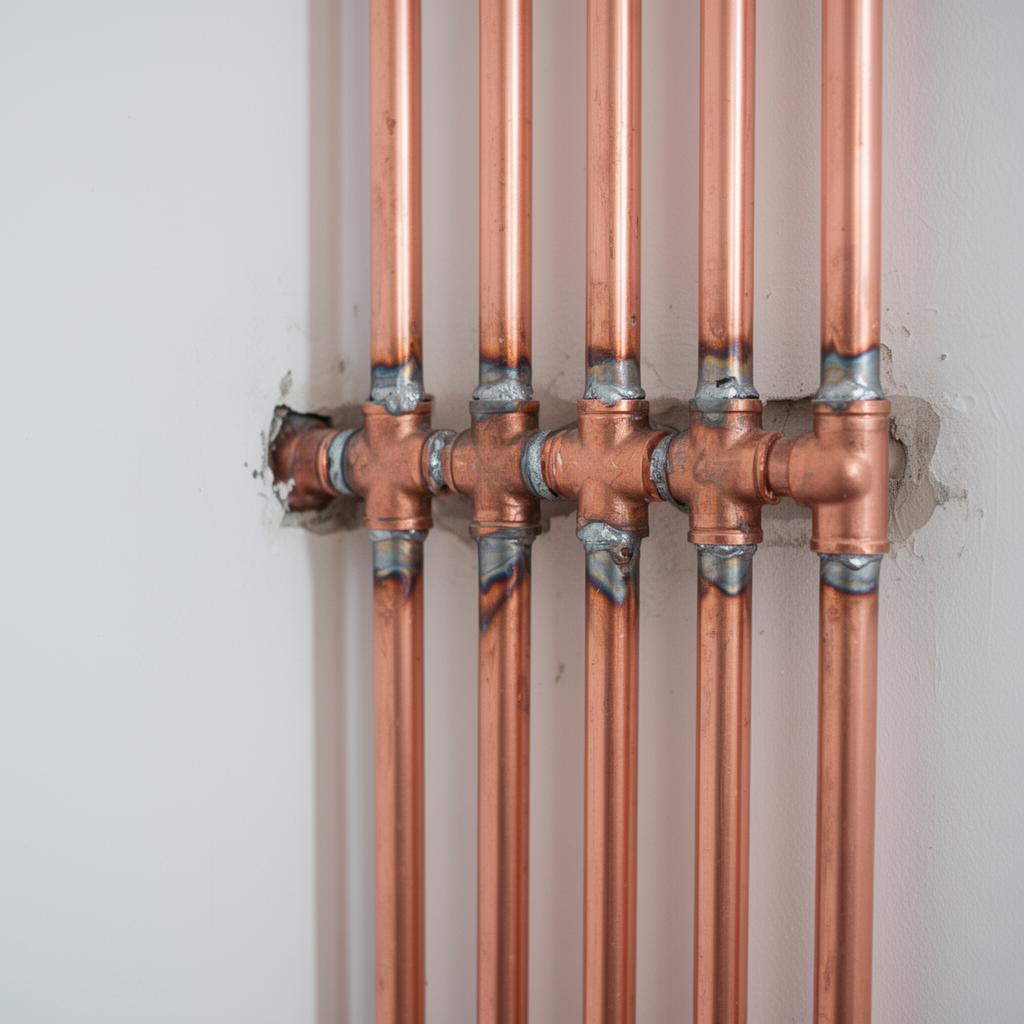
Microbore was fitted widely in the 1970s and 80s because it was fast to install. It works, but it restricts flow, blocks readily with magnetite and limits what a modern boiler can deliver.
For: 1970s and 80s properties
When it needs to go
If radiators heat unevenly, the system needs frequent bleeding, or a powerflush produced only temporary improvement, the pipework itself is likely the limiting factor. Where the microbore is clean and radiator output is adequate, it can stay — we won't rip out working pipe for the sake of it.
How we assess it
- Thermal survey to identify which legs are genuinely restricted
- Flow measurement rather than assumption about pipe capacity
- Partial replacement of worst legs where full rework isn't justified
- New boiler specification adjusted where the existing pipe stays
Frequently asked
- Can I fit a new boiler onto microbore?
- Often yes, with a proper cleanse and filter. The boiler manufacturer's flow requirements have to be met, and we check that.
- Is replacement disruptive?
- Full rework means lifting floors, so it's usually done alongside carpet replacement or a renovation.
- Is copper or plastic better for replacement?
- Both are acceptable; the choice depends on route and access. We'll explain the trade-off for your house.
Measure before you rip out
Microbore has a bad reputation, some of it deserved. Testing tells you whether yours is actually the problem before you spend on replacing it.
Related solutions
Core services
Where we cover
Worcester Bosch Accredited · 10 Year Guarantee*
New Worcester boiler with a 10 year guarantee*
Free no-obligation quotes for installation, servicing & repairs across BA & BS postcodes.