
Oil tank siting, bunding and fire separation explained
Tank position isn't a matter of preference. Distances to buildings, boundaries and openings are set out in OFTEC guidance and Building Regulations, and getting them wrong can invalidate insurance as well as failing inspection.
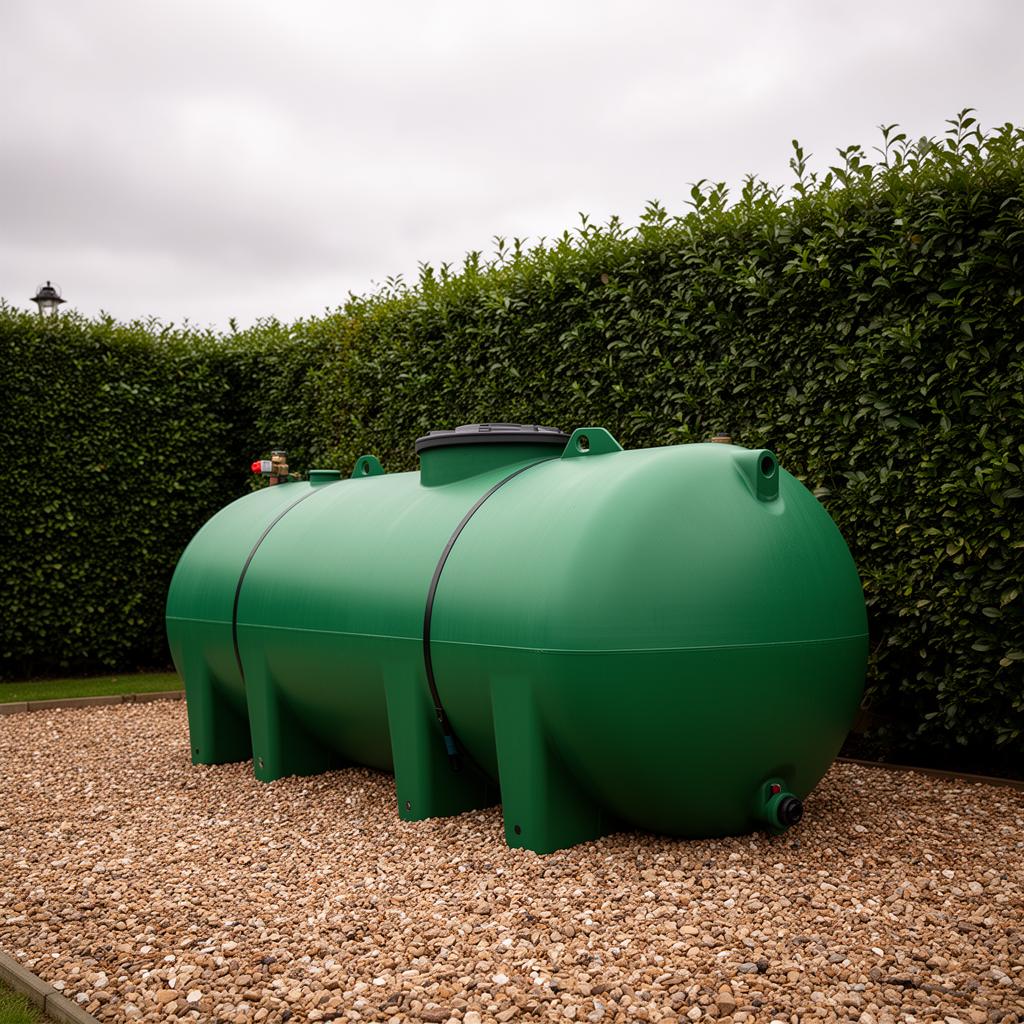
The rules that matter most
Separation distances apply from the tank to non-fire-rated building faces, boundaries, openings and screening. Where those can't be met, a fire-rated barrier can be used instead. Bunding — a secondary containment shell — is required where a spill would put a watercourse, borehole or drain at risk, which covers a lot of rural Somerset given the Mendip aquifer.
What we assess before quoting
- Distances to buildings, boundaries and openings, measured on site
- Proximity to drains, ditches, springs and any private water supply
- Base condition — level, imperforate and sized beyond the tank footprint
- Fill point and vent access for the tanker's hose reach
Frequently asked
- Does every tank need to be bunded?
- Not every one, but domestic tanks over 2,500 litres and any tank posing an environmental risk do — which in practice is most rural installations here.
- Does a garden fence or wall count as fire separation?
- No. A barrier has to meet a specified fire-resistance standard, which an ordinary timber fence or single-skin garden wall does not.
- What if my existing tank does not meet current siting distances?
- A tank installed before the rule change can usually stay in use, but any new work involving it is the natural point to bring siting and the base up to standard.
- Can the tank go against the house?
- Only with adequate fire protection between it and the building. We'll set out the options at survey.
- Who signs the work off?
- An OFTEC registered installer can self-certify the installation and notify it, which is included in our price.
Get the position right first
Relocating a full tank later is expensive and messy. A survey before purchase settles the position, base and pipe route while everything is still on paper.
Related solutions
Core services
Where we cover
Further reading
New Worcester boiler with a 10 year guarantee*
Free no-obligation quotes for installation, servicing & repairs across BA & BS postcodes.