Large homes: cascade, twin-boiler and zoned systems
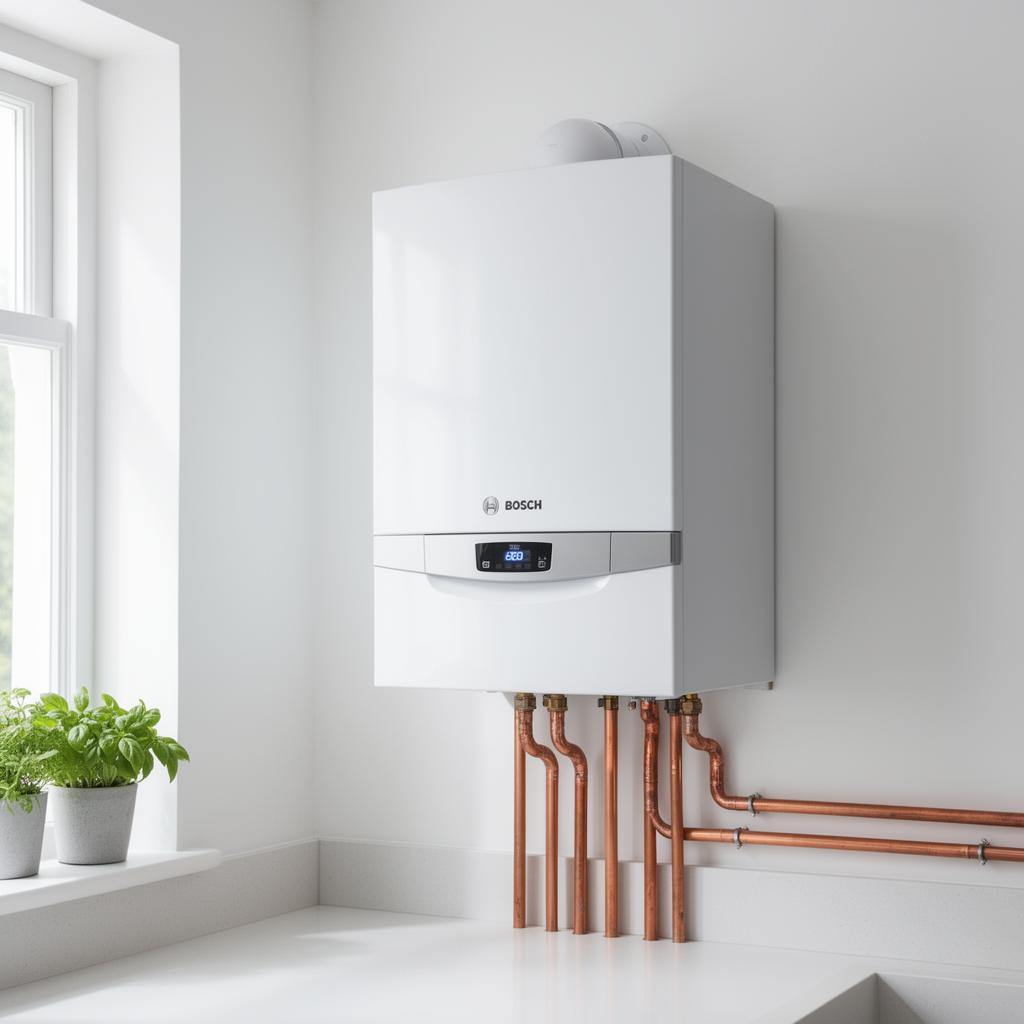
Above a certain size, a single domestic boiler stops being the neat answer. Two smaller appliances often give better part-load efficiency, redundancy, and a far more sensible pipe layout across a sprawling property.
Why two can beat one
Large houses spend most of the year needing a fraction of their peak output. A single large boiler modulating poorly at low load cycles badly; two smaller units let one run efficiently with the second only firing in cold weather. Redundancy matters too — losing half your heating is very different from losing all of it in January.
What large-property design covers
- Whole-house heat loss with peak and typical load separated
- Zoning by wing or floor so unused areas aren't heated
- Hot water strategy sized to genuine simultaneous demand
- Plant room layout with maintainable access to everything
Frequently asked
- Is twin-boiler expensive?
- Higher upfront than a single appliance, but often better across running costs and resilience in a genuinely large property.
- Can this be phased?
- Yes — pipework and zoning can be prepared for a second appliance added later.
- Does this need commercial-scale plant?
- Not usually. Domestic-scale appliances in cascade cover most large houses on our patch.
Design before pricing
These projects are worth a proper design stage. We'll produce the heat loss and zoning proposal before anyone talks about boiler models.
Related solutions
Core services
Where we cover
New Worcester boiler with a 10 year guarantee*
Free no-obligation quotes for installation, servicing & repairs across BA & BS postcodes.