
Boiler lockout and safe resets: the two-attempt rule explained
A lockout is not the boiler breaking down out of nowhere; it is a deliberate safety response after the appliance detects a condition it is not designed to keep running through. Understanding why it locks out, rather than just how to clear it, changes how you should respond.
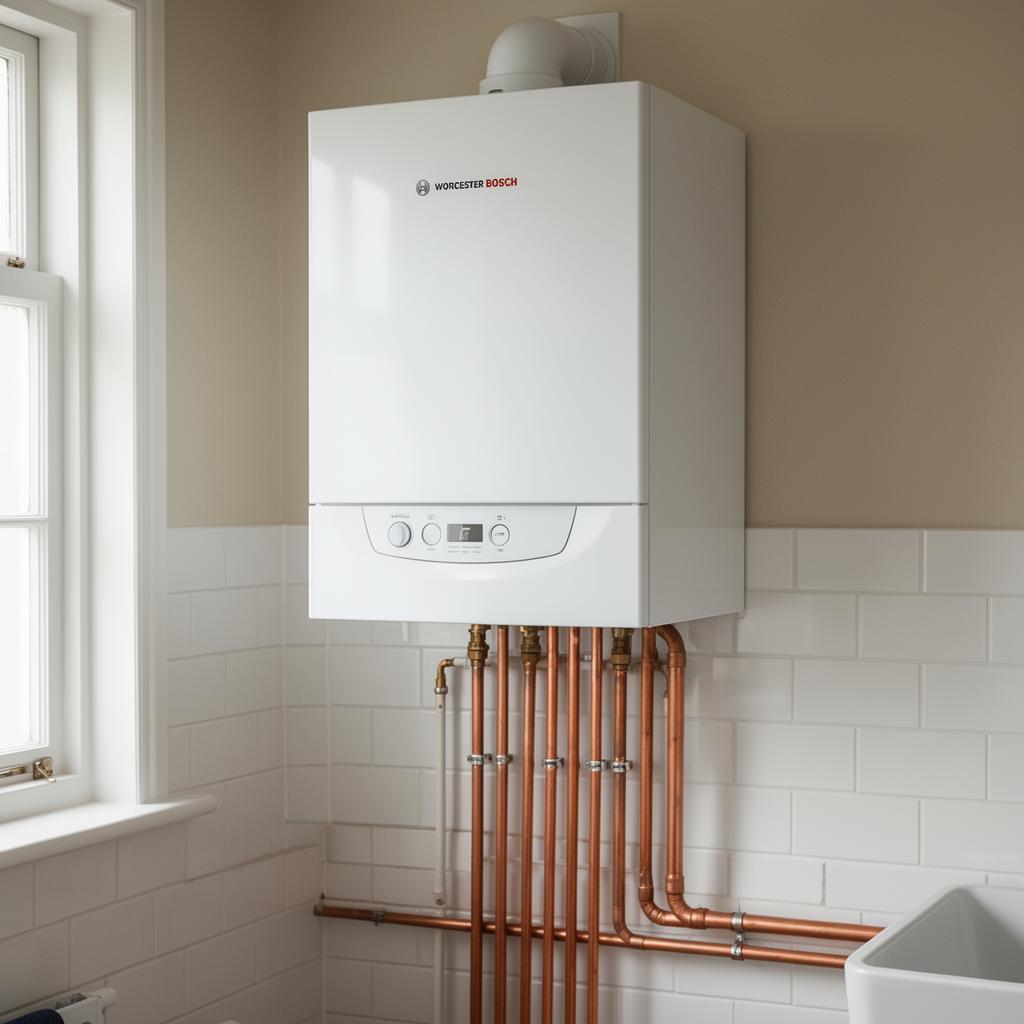
A boiler lockout: the short technical version
Every gas and oil boiler is built around a chain of safety interlocks covering flame detection, overheat protection, water pressure and correct airflow, any one of which will stop the burner if it is not satisfied. A single reset gives the appliance one further attempt to complete its start-up sequence correctly, which is entirely reasonable after a genuine one-off event such as a brief power interruption. A second consecutive lockout on the same fault means the underlying condition has not changed, and further resets simply repeat a failed attempt without addressing whatever tripped the interlock in the first place, whether that is a dirty electrode, insufficient water, or restricted airflow. This is why the accepted approach across every manufacturer is a maximum of two reset attempts before booking a qualified engineer, Gas Safe registered for gas appliances and OFTEC-registered for oil appliances.
What we see week to week with a boiler lockout
We are regularly called out to boilers that have been reset ten or more times over several days by the time we arrive, which tells its own story before we even open the case. The fix at that point is almost always the same length of job it would have been after two resets; the extra attempts simply mean several more cold days without heating in the meantime.
Key points on a boiler lockout
- A lockout is a safety interlock working correctly, not a random glitch
- One reset is reasonable to rule out a genuine one-off event
- A second consecutive lockout means the underlying cause is unresolved
- Repeated resets do not fix anything and can stress components further
- Gas Safe or OFTEC attendance is the correct next step after two attempts
Where we deal with this
Who should undertake the work
- Gas appliance work must be completed by a suitably qualified Gas Safe engineer
- Oil appliance work should be completed by a suitably qualified OFTEC technician
- Jamie Crawford Heating states both Gas Safe and OFTEC registration
Need help with a boiler lockout?
The honest position: Two resets is the limit, not a target to beat. After that, the interlock is telling you something real needs looking at.
For gas work, use a Gas Safe registered engineer; for oil work, use an OFTEC-registered technician.
Related help pages
- Sensor faultWorcester D5 fault: NTC sensor readings out of range
- Fault isolationBoiler faults on hot water only: isolating the DHW circuit
- Glow-worm fault codeGlow-worm F1: ignition failure and what precedes it
- Zero pressure diagnosisBoiler pressure reading zero: is it a leak or a dead gauge
- Guarantee supportWhy service records matter for a manufacturer guarantee
- Property typeHeating in Bath stone terraces: flues, walls and access
Questions we get asked
- Why does the manual say I can keep resetting?
- Most manuals describe the reset procedure without specifying a limit, but the accepted safe practice across the industry is two attempts before seeking qualified help.
- Does resetting reset anything other than the fault?
- No, it only clears the fault code and gives the appliance another attempt at its start-up sequence; it does not repair whatever caused the interlock to trip.
- What should I tell the engineer about previous resets?
- Roughly how many times it has locked out, over what period, and whether the fault code was the same each time. That pattern is genuinely useful information.
New Worcester boiler with a 10 year guarantee*
Free no-obligation quotes for installation, servicing & repairs across BA & BS postcodes.