
Converting to a condensing oil boiler: what changes
A condensing oil boiler extracts extra heat from flue gases that an older model simply vents to atmosphere, which improves efficiency but introduces a genuinely acidic condensate that has to go somewhere safely.
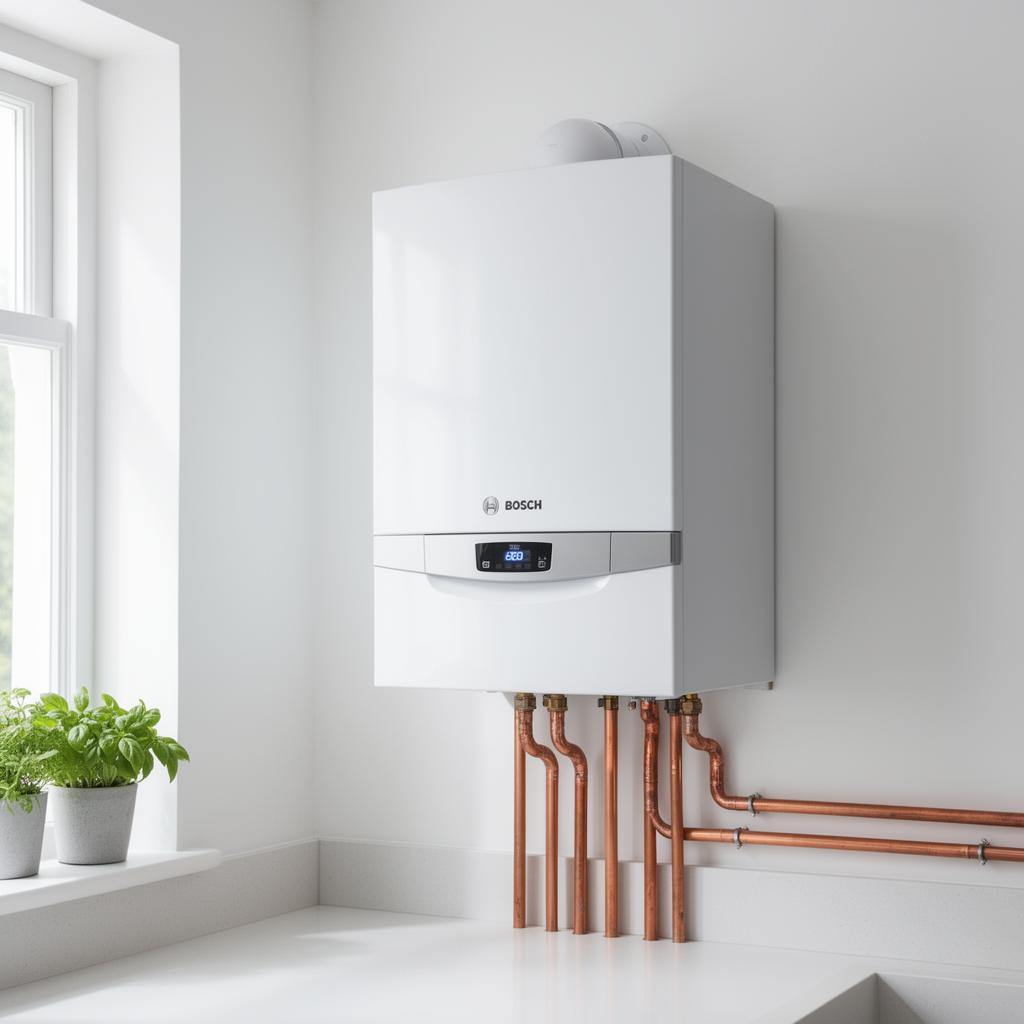
Things worth knowing about converting to a condensing oil boiler
- Condensate is mildly acidic and needs a suitable resistant pipe run
- A condensate pump is used where gravity fall to a drain is not available
- Balanced flue arrangements usually replace an older open flue
- External condensate pipework is a known freezing risk in cold weather
- Efficiency gains depend on the system running at a lower return temperature
Understanding converting to a condensing oil boiler before you spend money
The condensate produced is mildly acidic and must be routed to a suitable internal drain, either directly or through a condensate pump if gravity fall is not available, using pipework resistant to that acidity. Flue routing also usually changes, since condensing appliances are room-sealed and balanced flued rather than relying on the open flue arrangement common on older oil boilers. In cold weather the condensate pipe is at real risk of freezing if it runs externally, so routing it internally wherever possible is standard practice on a proper conversion.
Relevant registrations
- Gas Safe registered for domestic gas boiler work
- OFTEC registered for oil boiler work
- Worcester Bosch Accredited Installer
What we see week to week with converting to a condensing oil boiler
Older stone properties in the villages around Chew Valley often had their original oil boiler open-flued through a chimney breast, so a condensing conversion is usually also the point where the flue route is properly re-planned rather than adapted awkwardly around the existing opening.
Where we deal with this
Questions we get asked
- Is a condensing oil boiler worth the conversion cost?
- Efficiency gains can be meaningful, particularly on a system already running at lower flow temperatures, but the flue and condensate work adds to the job compared with a straight swap.
- Can the condensate freeze and cause a lockout?
- Yes, an external run in cold weather is a common cause of nuisance lockouts, which is why internal routing is preferred wherever the layout allows it.
- Does the whole flue need replacing during conversion?
- Usually yes, since condensing boilers are room-sealed and balanced flued, which is a different arrangement from most older open-flued oil boilers.
Need help with converting to a condensing oil boiler?
Put simply: A condensing conversion is more than a boiler swap because the condensate and flue arrangement both need proper planning, not an afterthought.
Published opening hours are Monday to Friday, 8:30am to 5:00pm.
Related help pages
- Cleaning methodsPower flush vs chemical flush: which one your system needs
- Efficiency controlsLoad compensation: how a modern boiler reads your room temperature
- Symptom guideHeating fine but hot water only lukewarm: what causes the split
- System protectionMagnetic filters: what they catch and what they cannot
- Hot water component comparisonPlate heat exchanger vs cylinder coil for hot water
- ProcessWhat happens on the day of your installation
Services that cover this
New Worcester boiler with a 10 year guarantee*
Free no-obligation quotes for installation, servicing & repairs across BA & BS postcodes.