
Sludge and water contamination inside oil storage tanks
Every oil tank experiences some condensation inside as temperature cycles day to night, and over years that moisture settles to the bottom along with fine sediment, forming a sludge layer beneath the usable oil.
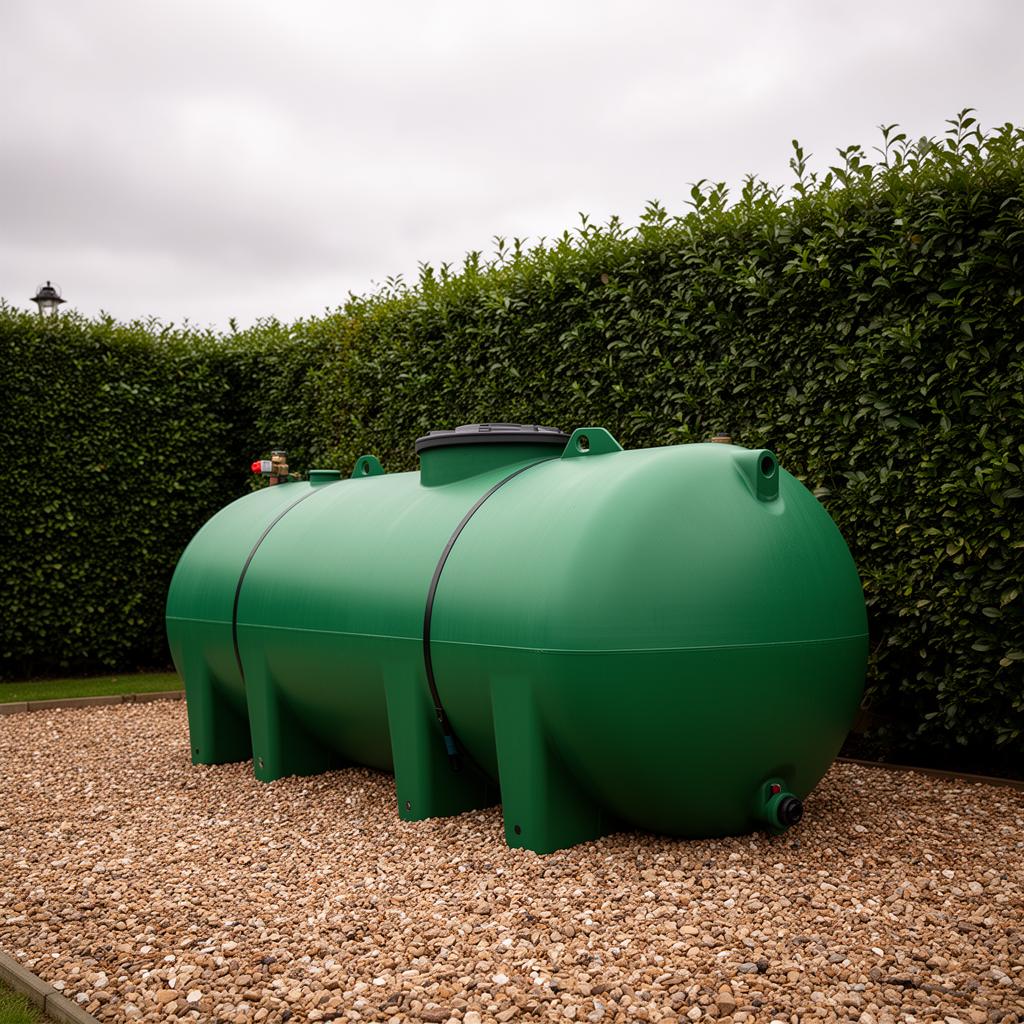
Key points on sludge and water in an oil storage tank
- Condensation inside the tank is a slow, ongoing process in all installs
- Sludge and water settle below the usable oil layer at the base
- Low tank levels or fresh deliveries can stir contamination into the supply
- A bottom sample valve lets an engineer check for water without draining the tank
- Persistent contamination may require full tank cleaning or replacement
Published business details
- Based at 24 Bristol Road, Radstock, BA3 3EE
- Telephone enquiries: 07516 118198
- Opening hours: Monday to Friday, 8:30am to 5:00pm
Where sludge and water in an oil storage tank usually comes from
Because the oil outlet usually draws from slightly above the tank base, moderate sludge can sit undisturbed for a long time before it becomes a problem — until the tank runs low, the outlet position shifts relative to the sludge line, or turbulence during a delivery stirs contamination back into suspension and into the supply line. Periodic tank sampling and cleaning prevents this reaching the filters and burner in one go after a refill.
Where we deal with this
Straight answers on sludge and water in an oil storage tank
In practice: Occasional tank sampling catches sludge and water contamination early, well before it reaches the filters and causes a burner lockout after a delivery.
Include the appliance make and model in your enquiry so the correct technical information can be checked.
Questions we get asked
- How do I know if my tank has water in it?
- A bottom sample taken through the tank's drain valve will show a distinct water layer, often with a slightly milky or separated appearance from the oil above.
- Does topping up the tank regularly prevent this?
- Keeping the tank fuller reduces the airspace where condensation forms, which helps slow the process but does not eliminate it entirely.
Related help pages
- Circulation faultsAirlocks in heating systems: how trapped air actually stops flow
- Oil installationOil boiler installation: what actually happens on the day
- Pump diagnosticsCentral heating pump failure and pump seizure explained
- Noise diagnosisNoisy pipework and kettling: telling the two apart by sound
- Cylinder costsUnvented cylinder cost: installation and replacement prices for 2026
- Vaillant fault codeVaillant F22: low water content and what it is really telling you
Services that cover this
New Worcester boiler with a 10 year guarantee*
Free no-obligation quotes for installation, servicing & repairs across BA & BS postcodes.