
Airlocks in heating systems: how trapped air actually stops flow
Air is far more compressible than water, so any pocket of it trapped in a pipe or radiator simply absorbs the pump's push instead of letting water flow past it, stopping circulation dead at that point.
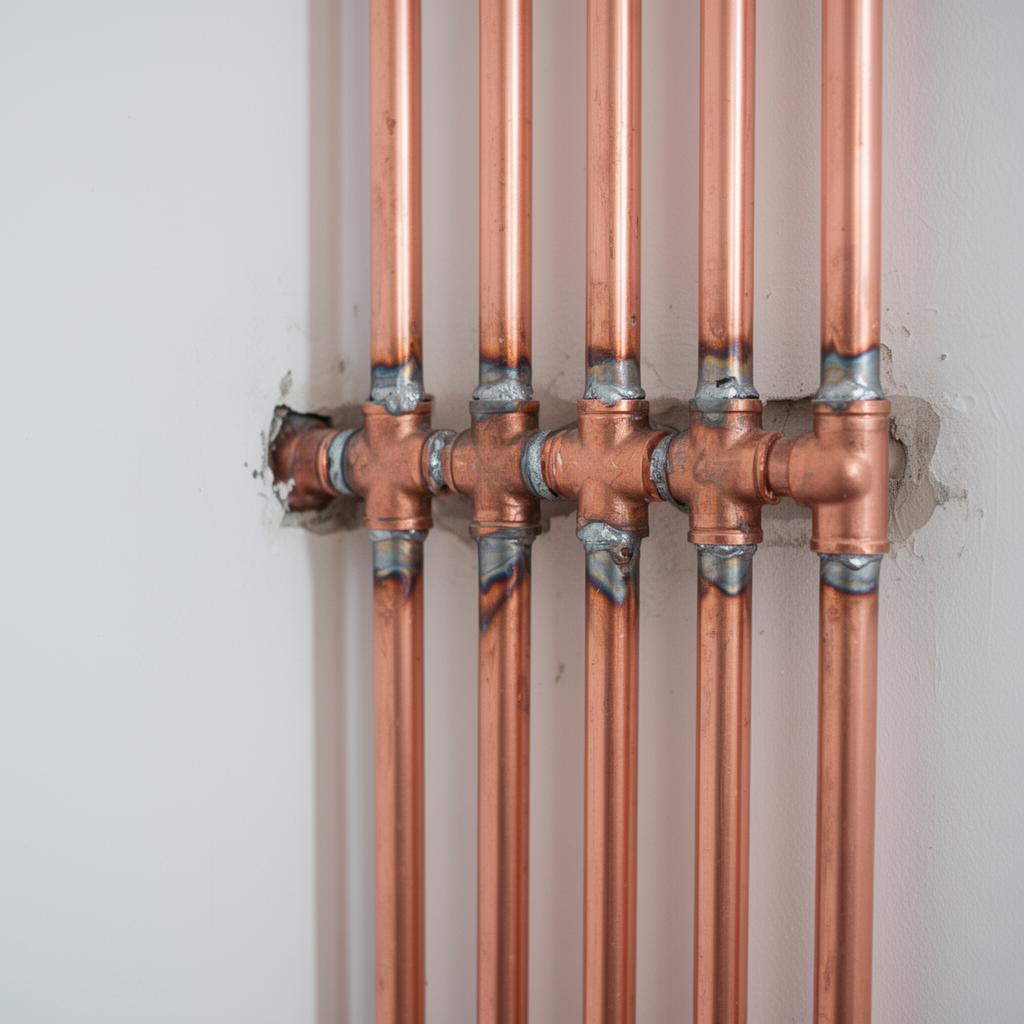
An airlock in the heating system: the short technical version
Radiator airlocks are usually straightforward, cleared with a bleed key at the top corner valve. Airlocks trapped in horizontal pipe runs are harder to shift and sometimes need a combination of raising system pressure briefly and running the pump at higher speed to force the pocket through to a bleed point. Repeated airlocks after bleeding, especially in the same radiator, usually mean a slow leak is drawing air back in through a joint rather than a one-off installation issue.
Things worth knowing about an airlock in the heating system
- Air is compressible, so it stops flow entirely rather than just slowing it
- Radiator bleed points clear most simple airlocks in seconds
- Pipework airlocks may need a pump speed increase to force them out
- Repeated airlocks in the same spot suggest a leak drawing air in
- Newly refilled systems often need bleeding across several radiators at once
Who should undertake the work
- Gas appliance work must be completed by a suitably qualified Gas Safe engineer
- Oil appliance work should be completed by a suitably qualified OFTEC technician
- Jamie Crawford Heating states both Gas Safe and OFTEC registration
Questions we get asked
- Why does my radiator keep needing bleeding every few weeks?
- That pattern points to air being drawn back in somewhere, usually a small leak or a fitting rather than a genuinely trapped one-off pocket.
- Can an airlock damage the pump?
- A pump forced to run against a persistent airlock can run dry at that point and suffer accelerated wear over time.
Where we deal with this
Related help pages
- System wiringS-plan vs Y-plan wiring: what the difference means for faults
- Oil storage conditionSludge and water contamination inside oil storage tanks
- System balancingRadiator balancing: why an even-heating house needs it
- Control wiringRoom thermostat wiring faults and why heating won't switch off
- Noise diagnosisBoiler banging and gurgling: telling the two noises apart
- Oil safetyOil boiler smoking or smelling of kerosene: stop and read this
Services that cover this
Book a visit for an airlock in the heating system
Put simply: A single bleed usually clears a simple airlock, but recurring ones are worth investigating rather than treating as routine maintenance.
For gas work, use a Gas Safe registered engineer; for oil work, use an OFTEC-registered technician.
New Worcester boiler with a 10 year guarantee*
Free no-obligation quotes for installation, servicing & repairs across BA & BS postcodes.