
Oil boiler installation: what actually happens on the day
Fitting an oil boiler is not just a case of swapping one box for another. The supply line, fire valve, flue route and tank all get checked as part of the same job, not treated as separate afterthoughts.
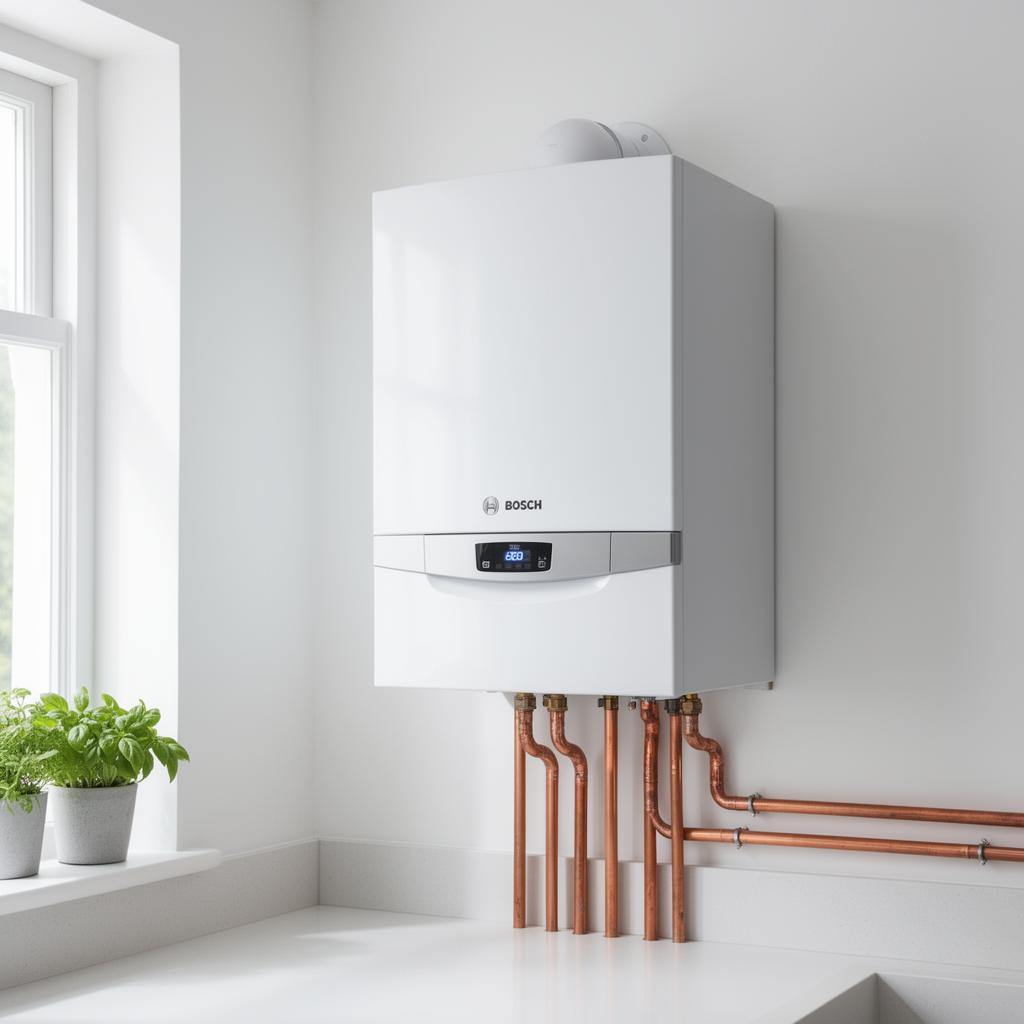
Things worth knowing about an oil boiler installation
- Fire valve fitted where the oil line enters the building
- Tank base and siting checked against OFTEC guidance before work starts
- Tigerloop deaerator fitted to remove air from the fuel line
- Smoke test and flue gas analysis carried out at commissioning
- Installation notified and certified by the OFTEC-registered engineer
What we check first with an oil boiler installation
The engineer first confirms the tank and its base are sound and correctly sited under OFTEC guidance before touching the boiler itself. New supply pipe is normally run in copper with a fire valve fitted where the line enters the building, closing automatically in a fire. The boiler is fixed, flued according to its clearance requirements, and the fuel line purged of air using a Tigerloop deaerator where fitted. Commissioning finishes with a smoke test, flue gas analysis and pump pressure check before the paperwork is completed.
Who should undertake the work
- Gas appliance work must be completed by a suitably qualified Gas Safe engineer
- Oil appliance work should be completed by a suitably qualified OFTEC technician
- Jamie Crawford Heating states both Gas Safe and OFTEC registration
An oil boiler installation in Somerset and North Somerset homes
Off-grid properties around the Mendips often have older tanks and pipework from a previous boiler that predate current siting rules, so part of an install visit is usually spent confirming the existing tank and line still meet the standard rather than assuming they do because they have always been there.
Where we deal with this
Questions we get asked
- How long does an oil boiler installation take?
- A straightforward like-for-like swap is usually a single working day, while a relocation or new tank connection can take longer depending on pipe runs.
- Do I need a new tank if I am replacing the boiler?
- Not necessarily — an existing tank in good condition and correctly sited can usually be reconnected, but it will be inspected first.
- Is planning permission needed for an oil boiler?
- Most domestic replacements do not need it, though tank siting close to a boundary can bring building regulations distance rules into play.
Sorted quickly: an oil boiler installation
Put simply: A proper oil installation treats the tank, supply line and flue as part of one system, checked and commissioned together rather than fitted piecemeal.
Use the enquiry form to describe the appliance, fault code and what changed before the problem started.
Related help pages
- Tank replacementReplacing an oil tank: what the job involves start to finish
- Cylinder heatingCylinder immersion heater faults and when to use one as backup
- Cold-weather faultsCondensate pipework design and why freezing keeps recurring
- Condensing conversionConverting to a condensing oil boiler: what changes
- DiagnosticsIntermittent boiler faults: how to catch a fault that hides
- Standing pilot faultPilot light will not stay lit: the thermocouple and draught checks
Services that cover this
New Worcester boiler with a 10 year guarantee*
Free no-obligation quotes for installation, servicing & repairs across BA & BS postcodes.