
New Boiler Cost, Wellow New Boiler Prices (BA2)
Properties in conservation areas or with listed status add an extra layer to new boiler cost, particularly around flue positions and anything visible from the street. We factor planning sensitivity into the survey rather than leaving it to be discovered after the quote. Gas Safe registered, OFTEC registered and a Worcester Bosch Accredited Installer, working from 24 Bristol Road, Radstock BA3 3EE, we'll flag where sign-off or a discreet routing is likely to matter. homes alongside small commercial and agricultural premises make up most enquiries from this postcode. Conservation and listed constraints apply to parts of the area, so external work is checked first. In Wellow itself (BA2, Somerset) that usually means stone village cottages and farmhouses, roughly 3 miles from the workshop.
New Boiler Cost — what you actually get
- Fixed written quote within 48 hours
- Worcester, Vaillant, Ideal & Grant
- 10-year guarantees on qualifying installs*
- No upsell, no commission engineers
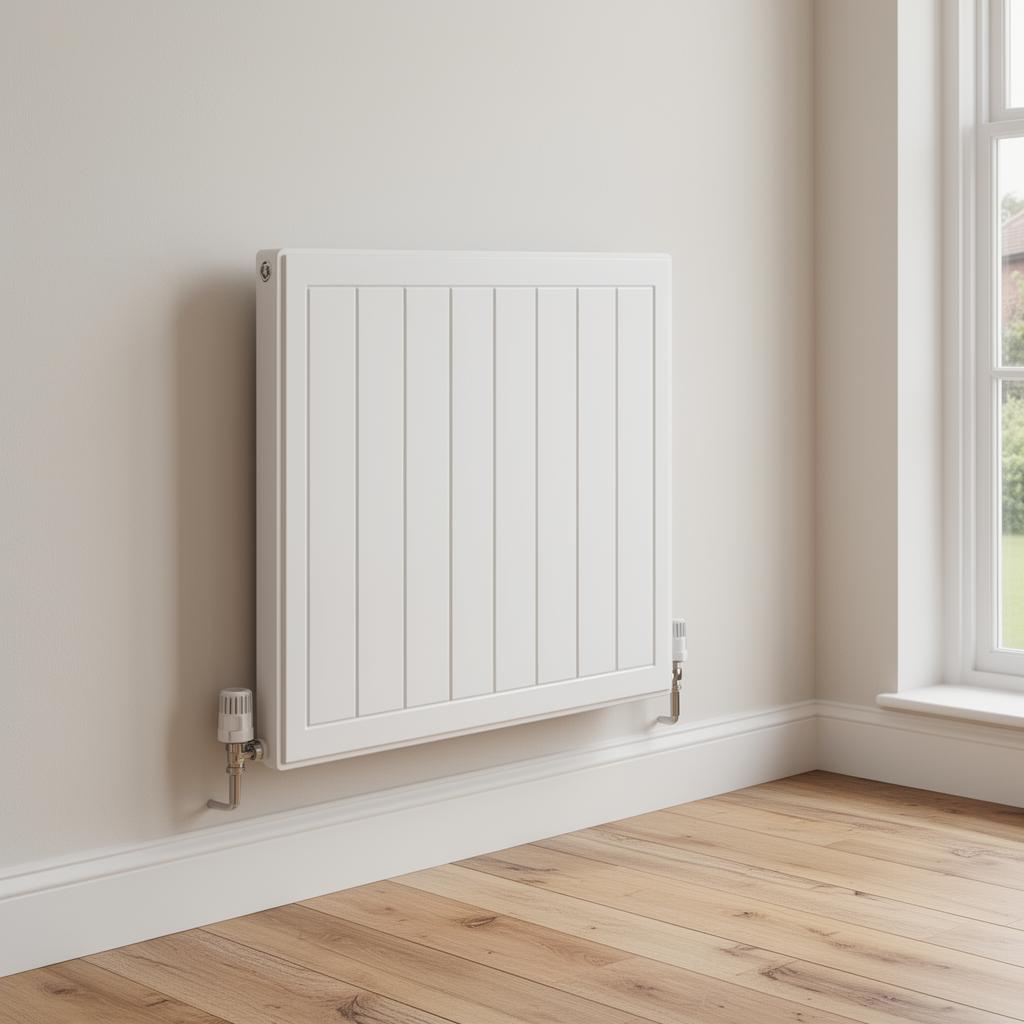
This area has a genuine mix of mains gas and oil-fired properties, sometimes on the same street, depending on when the gas network reached that particular row of houses. It's worth confirming which fuel your property is actually on and whether a fuel switch is realistic before assuming either option is off the table. Being registered for both Gas Safe and OFTEC work means we can look at the honest options for your specific property rather than steering you toward whichever fuel we happen to be set up for. Water here is very hard limestone water, so scale protection is specified accordingly. Typical era of build is mixed-cottage, which affects existing pipework and system cleanliness. What changes a new boiler price in Wellow more than the brand is the building itself: stone village cottages and farmhouses drive different flue routes, gas-pipe sizing and controls choices. That's why we visit before fixing a price.
Also covering the lanes around Wellow
We cover Wellow alongside Peasedown St John (BA2), Combe Hay (BA2), Hinton Charterhouse (BA2), Shoscombe (BA2) — so spares, follow-ups and annual visits are easy to schedule together.
Wellow: stock, water and fuel supply
This area has a genuine mix of mains gas and oil-fired properties, sometimes on the same street, depending on when the gas network reached that particular row of houses. It's worth confirming which fuel your property is actually on and whether a fuel switch is realistic before assuming either option is off the table. Being registered for both Gas Safe and OFTEC work means we can look at the honest options for your specific property rather than steering you toward whichever fuel we happen to be set up for. Water here is very hard limestone water, so scale protection is specified accordingly. Typical era of build is mixed-cottage, which affects existing pipework and system cleanliness. What changes a new boiler price in Wellow more than the brand is the building itself: stone village cottages and farmhouses drive different flue routes, gas-pipe sizing and controls choices. That's why we visit before fixing a price.
Why Wellow households use us
Qualifies your install for the full 10-year manufacturer guarantee* on supported models.
362+ verified reviews from real customers across BA and BS postcodes.
No verbal-only quotes — every figure is in writing with the boiler, controls and warranty spelled out.
Our engineers aren't paid on what you buy — there's no incentive to upsell you to a bigger boiler.
Typical ranges by job — Wellow
- Like-for-like combi swap: low–mid £k range
- Back-boiler removal & combi conversion: mid–high £k range
- Full system + cylinder upgrade: higher range
- Oil boiler swap (no tank work): mid range
- Oil boiler + tank replacement: higher range
Wellow questions we get asked
- Who actually carries out the work?
- A Gas Safe and, where relevant, OFTEC registered engineer from our own small team carries out the job — we don't sub the install out to a third party after quoting. You deal with the same people from survey through to commissioning and any aftercare calls.
- What's an unvented cylinder and does it need special installation rules?
- An unvented cylinder stores mains-pressure hot water without a cold water tank in the loft, giving strong pressure at every outlet. Building Regulations require it to be fitted and commissioned by someone holding a specific unvented cylinder qualification (which we hold), including fitting the correct safety valves, because an incorrectly installed unvented cylinder is a pressure vessel hazard.
- What paperwork do I get once the job's finished?
- You'll get a Benchmark commissioning checklist for the boiler, a building notice or Building Control completion certificate for notifiable work, manufacturer warranty registration confirmation, and a Gas Safe (or OFTEC) record of the work. Keep these together — they're what a future buyer's solicitor or a warranty claim will ask for.
- What's included in a boiler replacement quote from you?
- A written quote sets out the boiler make and model, any controls, cylinder or filter included, the labour for removal and installation, Building Control notification, Benchmark commissioning, and warranty registration — so you can see exactly what you're paying for rather than a single unexplained figure.
- Do we need planning permission for a new boiler flue on a listed or conservation-area property?
- If the property is listed, Listed Building Consent can be needed for anything altering its appearance, including a new external flue terminal, even where the work itself would normally be permitted development. In conservation areas like parts of Wellow's setting, flue position and visibility from the street can also come under scrutiny. We flag this at survey rather than after ordering the boiler.
- Stone cottages seem to lose heat fast — does that change what boiler we need?
- Solid stone walls and older windows do increase heat loss compared to cavity-wall construction, so we size the boiler and radiators around a proper heat loss calculation for the property rather than just matching what's there already. Getting this right matters more in a cottage than a modern house, where an undersized system will never quite keep up.
Area data we work from
- County
- Somerset
- Postcode district
- BA2
- Settlement type
- village
- Nearest classified road
- unclassified
- Distance from our base
- 3 miles (Radstock, BA3)
- Typical building stock
- stone village cottages and farmhouses
- Water hardness
- very hard limestone water
- Fuel availability
- mains gas with off-grid pockets
- Customer mix
- homes alongside small commercial and agricultural premises
- Nearby areas covered
- Peasedown St John, Combe Hay, Hinton Charterhouse, Shoscombe
Things we check around Wellow
Oil tank de-sludging: why it's not optional
Oil sitting in a tank for years accumulates water from condensation and fine sediment that settles at the bottom, and over time this forms a sludge layer that can be drawn into the fuel line, particularly when the tank is nearly empty and the outlet pulls from lower in the tank than usual. Sludge blocks fine oil filters and burner nozzles, which shows up as burner lockouts or a boiler that won't fire cleanly rather than as an obvious tank problem. De-sludging drains and cleans the tank base without necessarily removing the whole tank, and it's worth doing when a tank is inherited with a property, before switching to a new boiler, or if lockouts recur despite the filter and nozzle being replaced. It's a preventative job that's cheaper done on schedule than after a burner failure it caused.
Radiator sizing after lowering the flow temperature
Running a boiler at a lower flow temperature — typically 55°C or below rather than the old default of 70-80°C — improves condensing efficiency measurably, but it also reduces the heat output of every radiator in the house, because a radiator's output falls roughly with the square of the temperature difference to the room. Radiators sized correctly for a 75°C flow can end up unable to heat the room properly at 55°C unless they're upsized or supplemented. We check each radiator against the lower design flow temperature before recommending it, and where a room falls short we look at whether a larger single panel, a double panel, or an additional radiator on that circuit closes the gap, rather than pushing the flow temperature back up and giving away the efficiency gain.
Working across Somerset: what being local changes
Being based at 24 Bristol Road, Radstock, 3 miles from Wellow via the unclassified, means a callout doesn't involve a long cross-county drive, and it also means familiarity with the recurring patterns in the local building stock — stone village cottages and farmhouses — rather than encountering that construction type for the first time on-site. Local knowledge doesn't replace a proper site survey, but it does mean fewer surprises: knowing in advance that a particular postcode area typically has hard water, older single-pipe circuits, or restricted parking means the quote reflects the likely reality of the job before the first visit. We're Gas Safe and OFTEC registered and work across Somerset on that basis, not by claiming coverage we don't actually deliver on.
Electronic and physical scale reducers compared
In very hard limestone water areas like Wellow, a scale reducer fitted on the boiler's cold feed protects the heat exchanger without the ongoing salt and drainage requirements of a full water softener. Physical scale reducers use a polyphosphate or template-assisted crystallisation cartridge that alters how calcium carbonate crystallises so it's less likely to adhere to hot surfaces; electronic and electromagnetic devices claim a similar effect without a cartridge to replace, though the evidence base for electronic types is weaker and more inconsistent than for physical media. Manufacturers including Worcester Bosch now specify a scale reducer or softener as a condition of extended guarantees in hard water areas, so the choice affects warranty validity as well as long-term performance, not just descale frequency.
Plume management kits for restricted flue positions
Where the ideal, shortest flue route would discharge too close to a boundary, a window, or onto a neighbouring property — a common constraint on tight plots in Wellow — a plume management kit extends the flue's discharge point away from the boiler's own wall penetration, directing the visible water vapour plume and flue gases to a compliant location instead. It adds ductwork and sometimes a small additional fan to overcome the extra resistance, and it has to be specified against the specific boiler's approved kit range rather than improvised, since flue certification only covers tested combinations. It's a legitimate way to fit a boiler on a plot where the compliant flue route and the sensible boiler location aren't the same wall, without compromising on clearances to solve it.
What different boiler noises usually mean
A kettling or rumbling sound from a boiler is most often scale or sludge build-up on the heat exchanger causing localised boiling as water is trapped and overheated in restricted channels — the heating equivalent of a kettle furring up. A banging or knocking sound in pipework, sometimes called water hammer, is usually caused by a valve closing too quickly or trapped air rather than the boiler itself. A whining or humming sound tends to point to the circulating pump, either from wear or from air in the system reducing lubrication at the bearing. Diagnosing correctly from the noise alone isn't reliable enough to act on without checking system pressure, inhibitor condition and the pump directly, but the noise itself is a useful first indicator of which of those to check first.
Single-pipe circuits in older stone cottages
A lot of the stone cottages and farmhouses around Wellow were plumbed decades ago on a single-pipe gravity circuit, where each radiator draws from and returns to the same loop rather than having its own flow and return. It works, but radiators furthest from the boiler receive water that's already cooled after giving up heat to the ones before it, so the far end of the house is always the coldest. Converting to a two-pipe layout means new pipe runs, which in a stone cottage often means chasing lime plaster or lifting flagstones — not a trivial job. Where a full rewire of the pipework isn't wanted, we sometimes improve balance instead by oversizing the radiators nearest the end of the run and fitting TRVs to hold back the ones nearest the boiler.
Where to go from here
Worcester Bosch Accredited Installer status means we've met the manufacturer's own standards for training and installation quality, which is part of why we can offer the extended guarantee on qualifying installs. It's worth asking any installer whether they hold equivalent accreditation, not just whether they can fit the boiler. A written quote follows the survey — no pressure, and no charge for the Wellow visit. Our van runs the unclassified to reach you, 3 miles out from the Radstock workshop. Nearest neighbours on our round are Peasedown St John, Combe Hay, Hinton Charterhouse.
Related help for Wellow
- Emergency Boiler Repair in WellowSame-week (often same-day) no-heat and no-hot-water call-outs for gas and oil boilers.
- Landlord Gas Safety Certificate (CP12) in WellowAnnual CP12 inspections for landlords and letting agents — digital certificate the same day.
- Boiler Replacement Quote in WellowFree, no-obligation site visits and written specifications for old boiler replacements.
- Oil Boiler Service Cost in WellowWhat an OFTEC registered oil boiler service costs locally, what is included, and what a tank inspection adds.
- Oil Boiler Repair in WellowOil boiler lockouts, sooting and no heat call outs for homes off the mains gas grid, diagnosed before parts are quoted.
- Boiler Service Cost in WellowAnnual gas boiler service pricing, what the check covers, and how a landlord certificate can be combined in one visit.
- Boiler Installation in WellowNew combi, system and regular boiler installations for gas and oil homes — fixed prices, manufacturer warranties.
- Gas Boiler Installation in WellowGas Safe registered installations and upgrades for mains gas homes across Bath, Radstock and Wells.
New Worcester boiler with a 10 year guarantee*
Free no-obligation quotes for installation, servicing & repairs across BA & BS postcodes.