
Boiler losing pressure: how to find the leak that is not obvious
A sealed system should hold pressure for months. If you are topping up weekly, water is leaving the system somewhere or the expansion vessel has lost its charge.
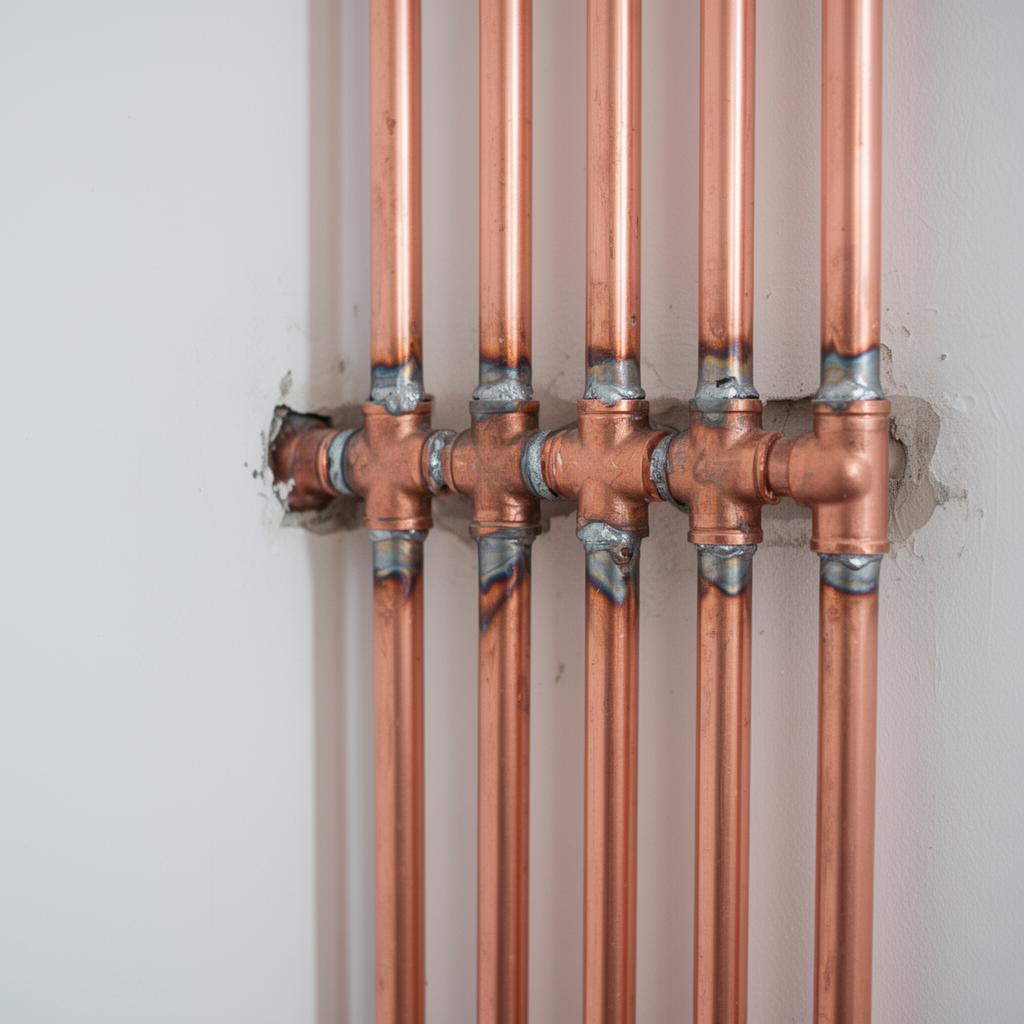
Practical notes on a system losing pressure
- Gauge swinging more than 1 bar between cold and hot suggests the vessel
- A dripping outside overflow pipe means the relief valve is passing
- Radiator valve glands weep slowly and dry out before you see water
- Recharging a vessel is a routine job, not a boiler replacement
- Repeated top-ups add fresh oxygenated water and accelerate corrosion
How we read a system losing pressure on site
There are only three routes out: a physical leak, the pressure relief valve discharging, or an apparent loss caused by a flat expansion vessel making the gauge swing wildly between hot and cold. We start with the vessel because it is quick to test, then check the relief pipe outside for evidence of discharge, then pressure-test the pipework. Concealed leaks under solid floors are the last suspect, not the first.
Who should undertake the work
- Gas appliance work must be completed by a suitably qualified Gas Safe engineer
- Oil appliance work should be completed by a suitably qualified OFTEC technician
- Jamie Crawford Heating states both Gas Safe and OFTEC registration
A system losing pressure in Somerset and North Somerset homes
In stone-floored cottages around Chilcompton and Kilmersdon we often trace losses to pipework buried in screed with no sleeving. Thermal imaging plus a pressure test isolates the run before anyone lifts a flagstone, which matters when the floor cannot be replaced like for like.
Where we deal with this
Questions we get asked
- What pressure should my boiler sit at?
- Most sealed systems run around 1 to 1.5 bar cold. Check your manufacturer's plate — some vary with system height.
- Is topping up harmful?
- Occasionally, no. Weekly top-ups introduce oxygen and dissolved minerals that corrode radiators from the inside.
Straight answers on a system losing pressure
Put simply: Diagnose before you dig. Vessel test, relief valve check, then pressure test — most pressure losses are cheap once the cause is proven.
For gas work, use a Gas Safe registered engineer; for oil work, use an OFTEC-registered technician.
Related help pages
- Baxi fault codeBaxi E110: overheat lockout on a Baxi combi or system boiler
- Combustion faultOil boiler puffing and sooting: what poor combustion is telling you
- Electrical faultRCD tripping every time the boiler tries to start
- Vaillant fault codeVaillant F22: low water content and what it is really telling you
- Gas safetyGas tightness testing: how a suspected leak is actually checked
- Property typeHeating Georgian townhouses: tall rooms, long runs, old routes
Services that cover this
New Worcester boiler with a 10 year guarantee*
Free no-obligation quotes for installation, servicing & repairs across BA & BS postcodes.