
Local Oil Boiler Installation for Wells
Homeowners, landlords and smallholders tend to ask different questions about oil boiler installation: homeowners want comfort and running costs sorted, landlords need compliant paperwork they can hand to tenants and agents, and rural owners often need to weigh oil against other fuels. We cover all three from 24 Bristol Road, Radstock BA3 3EE as a Gas Safe registered and OFTEC registered firm, so the advice is tailored to what you actually need the system to do. Mains gas is available across most streets, which changes the appliance shortlist. Terrain is level, which matters for condensate runs and tank siting. In Wells itself (BA5, Somerset) that usually means stone city-centre homes, georgian and victorian terraces, roughly 10 miles from the workshop.
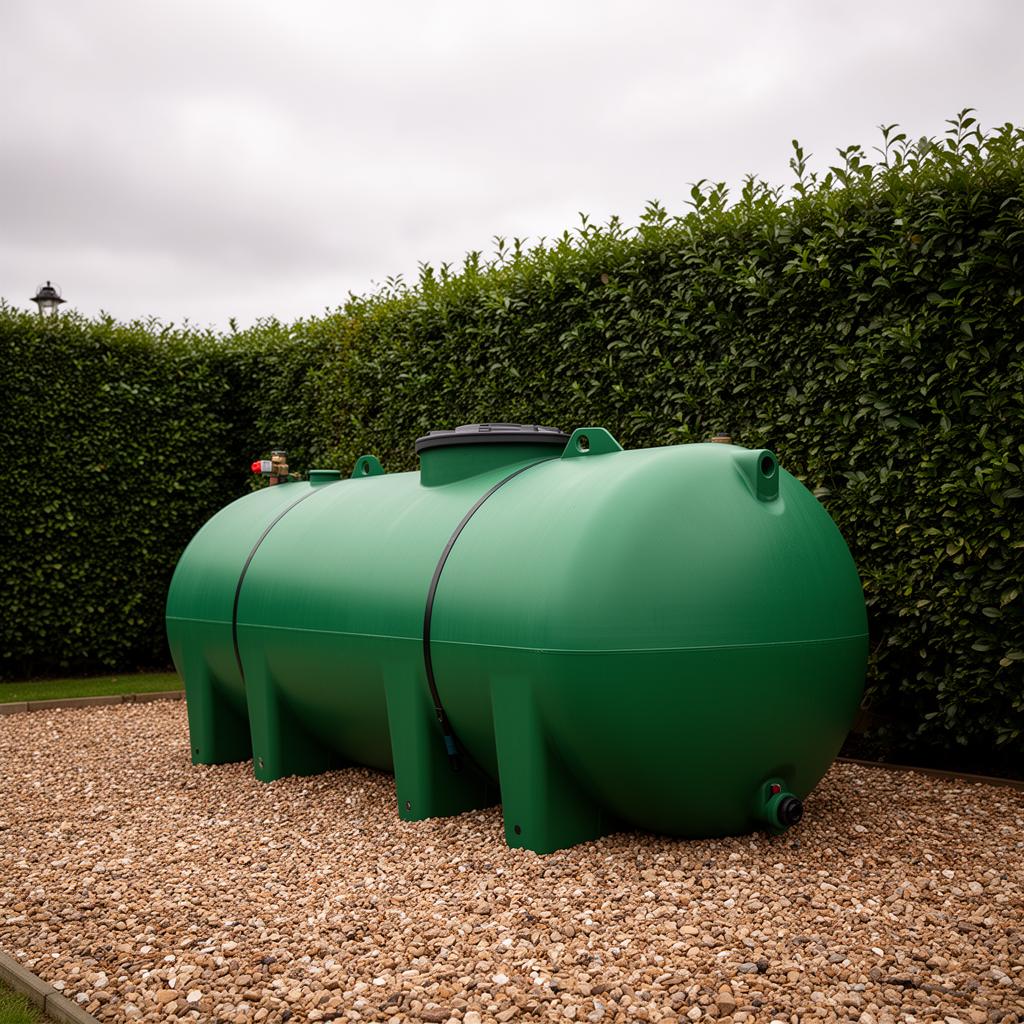
Wells: stock, water and fuel supply
Narrow terraced streets typically mean limited parking directly outside the property and sometimes tight internal access to the boiler cupboard or airing cupboard. Getting a new cylinder or boiler through a Victorian-width hallway occasionally needs planning ahead of the job rather than discovering it on the day. We check access details as part of the survey, including whether permits or specific arrival times would help the job run smoothly. Typical era of build is georgian, which affects existing pipework and system cleanliness. Mains gas is available across most streets, which changes the appliance shortlist. Wells is roughly 10 miles from our Radstock base via the A371. Typical property stock here: stone city-centre homes, Georgian and Victorian terraces. Mains gas covers most of Wells, so the usual choice is between a modern combi or a system boiler with a cylinder — we'll size it correctly for the home, not just swap like-for-like. For oil work we look at the tank's age, bund condition, fire valve and fuel-line route as part of the survey — not as an afterthought.
Within reach of the A371
Beyond Wells we're frequently on jobs in Wookey (BA5), Dinder (BA5), Easton (BA5) and Croscombe (BA5) — so spares, follow-ups and annual services are straightforward.
Registrations and how work is signed off
Oil boilers, oil tanks and pipework — fully certified for off-grid installs and replacements.
362+ verified reviews from real customers across BA and BS postcodes.
Based at 24 Bristol Rd, Radstock — every job is run by the team that quoted it.
No verbal-only quotes. You'll get the boiler model, controls and warranty in writing before we book.
Scope of work, itemised
- OFTEC trained & registered
- Internal & external oil boilers
- Oil tank replacements
- Worcester Greenstar & Grant Vortex
- Free written quote, no obligation
- Local aftercare from a 10-mile base
Oil Boiler Installation FAQs for BA5
- Where can a new boiler actually be sited in the property?
- A combi is usually fitted in a kitchen cupboard, utility room, loft, or garage as long as flue clearances to windows, doors, and boundaries are met. A system or regular boiler with a cylinder needs a bit more room and usually stays close to its current position unless you're relocating the whole system, which is a bigger job.
- Is it worth upgrading the heating controls when we replace the boiler?
- Where the existing controls are an old mechanical timer and single room thermostat, replacing them alongside the boiler with weather compensation or a modern programmable thermostat usually improves comfort and efficiency more than the boiler swap alone. It's not compulsory, but it's often the single best-value addition to a new install.
- Who actually carries out the work?
- A Gas Safe and, where relevant, OFTEC registered engineer from our own small team carries out the job — we don't sub the install out to a third party after quoting. You deal with the same people from survey through to commissioning and any aftercare calls.
- What paperwork do I get once the job's finished?
- You'll get a Benchmark commissioning checklist for the boiler, a building notice or Building Control completion certificate for notifiable work, manufacturer warranty registration confirmation, and a Gas Safe (or OFTEC) record of the work. Keep these together — they're what a future buyer's solicitor or a warranty claim will ask for.
- How often should a boiler actually be serviced?
- Once a year is the standard recommendation from every manufacturer, and most warranty terms make it a condition rather than a suggestion — miss a year and a claim can be refused even if the fault is unrelated. Landlords have a separate legal duty to have gas appliances checked annually regardless of warranty terms.
- What's the warranty on a new boiler installed in Wells?
- Up to 10 years on qualifying Worcester Bosch installs registered through us as Accredited Installers. Other manufacturers typically offer 5–7 years.
Booking work in Wells
Once oil boiler installation is complete, you'll have the documentation that goes with it — commissioning records and, where applicable, Gas Safe or OFTEC paperwork and manufacturer registration for the guarantee. Keep it somewhere safe; it's what an agent, buyer or insurer will ask to see later. We can usually pair the visit with other work in Wookey to keep the trip efficient. Water here is moderately hard water, so scale protection is specified accordingly. Nearest neighbours on our round are Wookey, Dinder, Easton.
Local reference data
- County
- Somerset
- Postcode district
- BA5
- Settlement type
- city
- Nearest classified road
- A371
- Distance from our base
- 10 miles (Radstock, BA3)
- Typical building stock
- stone city-centre homes, Georgian and Victorian terraces
- Water hardness
- moderately hard water
- Fuel availability
- mains gas across most of the area
- Customer mix
- homes alongside small commercial and agricultural premises
- Nearby areas covered
- Wookey, Dinder, Easton, Croscombe
Detail that matters in Wells
Do you need listed building consent for a new flue?
Whether a new boiler flue on a listed building in or around Wells needs formal listed building consent depends on whether the work affects the building's special architectural or historic character — cutting through an original stone wall or a decorative elevation is far more likely to need consent than routing through a later, non-original extension. Consent has to be granted before the work starts; carrying it out first and applying afterwards is a criminal offence under the Planning (Listed Buildings and Conservation Areas) Act, not just a paperwork formality to tidy up later. We recommend checking with the local planning authority's conservation team at the quoting stage on any listed property, because the answer varies by building and by exactly which wall is proposed, and getting it wrong can mean expensive remedial work to satisfy the authority afterwards.
Common boiler fault codes and what usually causes them
Most modern boilers display a fault code on the control panel when they lock out, and while the exact code differs between manufacturers, the underlying causes cluster into a small number of categories: low system pressure (often from a small leak or after bleeding radiators), ignition failure (a worn electrode, gas supply issue, or blocked condensate causing a safety shutdown), or a failed sensor reporting an implausible temperature reading. A condensate blockage or freeze specifically tends to show a distinct code from a genuine ignition fault, which is why checking the external condensate pipe for ice before calling out an engineer in a cold snap can sometimes resolve the issue without a visit at all. We ask for the exact fault code and any recent history — a bled radiator, a cold snap, a recent service — before attending, since it often narrows down the likely cause before we arrive.
What different boiler noises usually mean
A kettling or rumbling sound from a boiler is most often scale or sludge build-up on the heat exchanger causing localised boiling as water is trapped and overheated in restricted channels — the heating equivalent of a kettle furring up. A banging or knocking sound in pipework, sometimes called water hammer, is usually caused by a valve closing too quickly or trapped air rather than the boiler itself. A whining or humming sound tends to point to the circulating pump, either from wear or from air in the system reducing lubrication at the bearing. Diagnosing correctly from the noise alone isn't reliable enough to act on without checking system pressure, inhibitor condition and the pump directly, but the noise itself is a useful first indicator of which of those to check first.
Wells's A371 corridor and what it means for scheduling
Properties along or near the A371 corridor around Wells are generally straightforward to reach without the access constraints of side lanes or unclassified roads further off the main network, which helps with scheduling deliveries of boilers, cylinders or oil tanks to a fixed slot. It doesn't change the technical requirements of the job itself, but predictable access does mean less contingency time needs building into a visit, and it makes coordinating a delivery with an installation date more reliable than on a property with a difficult final approach. We still confirm any specific parking or loading restriction on the immediate street before a job, since a fast main road doesn't guarantee easy stopping right outside the property.
Chasing pipework into lime plaster and stone walls
Solid stone or cob walls finished in lime plaster, common in the older parts of Wells, behave very differently to modern plasterboard when a pipe run needs chasing in. Lime plaster is softer and more porous than gypsum, so cutting a neat, consistent chase without blowing the surface needs a slower hand and finer disc than a stud-wall job, and any repair has to be made good in a lime-based skim rather than modern filler, which can trap moisture behind it and cause the patch to fail. On solid stone we sometimes surface-mount pipework in painted conduit instead of chasing, particularly where the wall is a significant structural thickness and chasing would weaken it. Knowing which approach a wall needs before starting avoids expensive plaster damage.
Routing a flue through a listed or conservation-area property
Wells falls within an area where listed building consent or conservation area rules can affect where a boiler flue is allowed to terminate — a plume on a principal elevation facing the street is often unacceptable even where it would technically clear manufacturer distances. Getting consent, where it's needed, has to happen before the flue is cut through a wall, not retrospectively. In practice this usually means routing the flue to a rear or side elevation even if that means a longer pipe run and an extra bend, or using a horizontal flue kit through a lower window reveal wall rather than the roof. We check with the relevant conservation officer's published guidance before quoting a flue route on a listed or Article 4 property rather than assuming the shortest run will be approved.
Working across Somerset: what being local changes
Being based at 24 Bristol Road, Radstock, 10 miles from Wells via the A371, means a callout doesn't involve a long cross-county drive, and it also means familiarity with the recurring patterns in the local building stock — stone city-centre homes, georgian and victorian terraces — rather than encountering that construction type for the first time on-site. Local knowledge doesn't replace a proper site survey, but it does mean fewer surprises: knowing in advance that a particular postcode area typically has hard water, older single-pipe circuits, or restricted parking means the quote reflects the likely reality of the job before the first visit. We're Gas Safe and OFTEC registered and work across Somerset on that basis, not by claiming coverage we don't actually deliver on.
Signs a boiler repair is no longer the right call
A boiler that's failing repeatedly, needing a different part replaced every service, or over roughly ten to fifteen years old is approaching the point where continued repair costs more over time than replacement, particularly once a heat exchanger — the most expensive single part — starts to show signs of failure through leaks or reduced output. Efficiency is the other half of the calculation: an older non-condensing boiler running at 70-80% efficiency against a modern condensing combi at over 90% means a meaningful chunk of every unit of fuel burned in the old boiler is simply lost up the flue. We give a straight answer on repair versus replace based on the fault found and the boiler's age and condition, rather than defaulting to whichever is more profitable to us on the day.
Other boiler services in Wells
- Boiler Installation in WellsNew combi, system and regular boiler installations for gas and oil homes — fixed prices, manufacturer warranties.
- Gas Boiler Installation in WellsGas Safe registered installations and upgrades for mains gas homes across Bath, Radstock and Wells.
- Boiler Servicing in WellsAnnual boiler services to keep your warranty valid and your home safe, efficient and warm.
- Maintenance & Repair in WellsDiagnostics, repairs and breakdown call-outs for gas and oil boilers across BA and BS postcodes.
- Landlord Gas Safety Certificates in WellsAnnual CP12 landlord gas safety records issued on the day, for single lets, HMOs, holiday lets and whole portfolios.
- Oil Boiler Servicing in WellsOFTEC registered annual servicing for oil boilers, including nozzle, electrode, filter and smoke test work on off grid homes.
- Oil Boiler Repairs in WellsOil boiler breakdown repairs across rural Somerset, from lockouts and sooting to pump, photocell and control faults.
- Oil Tank Replacement in WellsBunded oil tank replacement and relocation with base preparation, new supply line and OFTEC paperwork on completion.
New Worcester boiler with a 10 year guarantee*
Free no-obligation quotes for installation, servicing & repairs across BA & BS postcodes.