
Expansion vessel recharging: a routine job often mistaken for a big one
The expansion vessel absorbs the extra volume water takes up as it heats, using a rubber diaphragm backed by a cushion of air. Over years that air cushion slowly leaks away and needs topping back up.
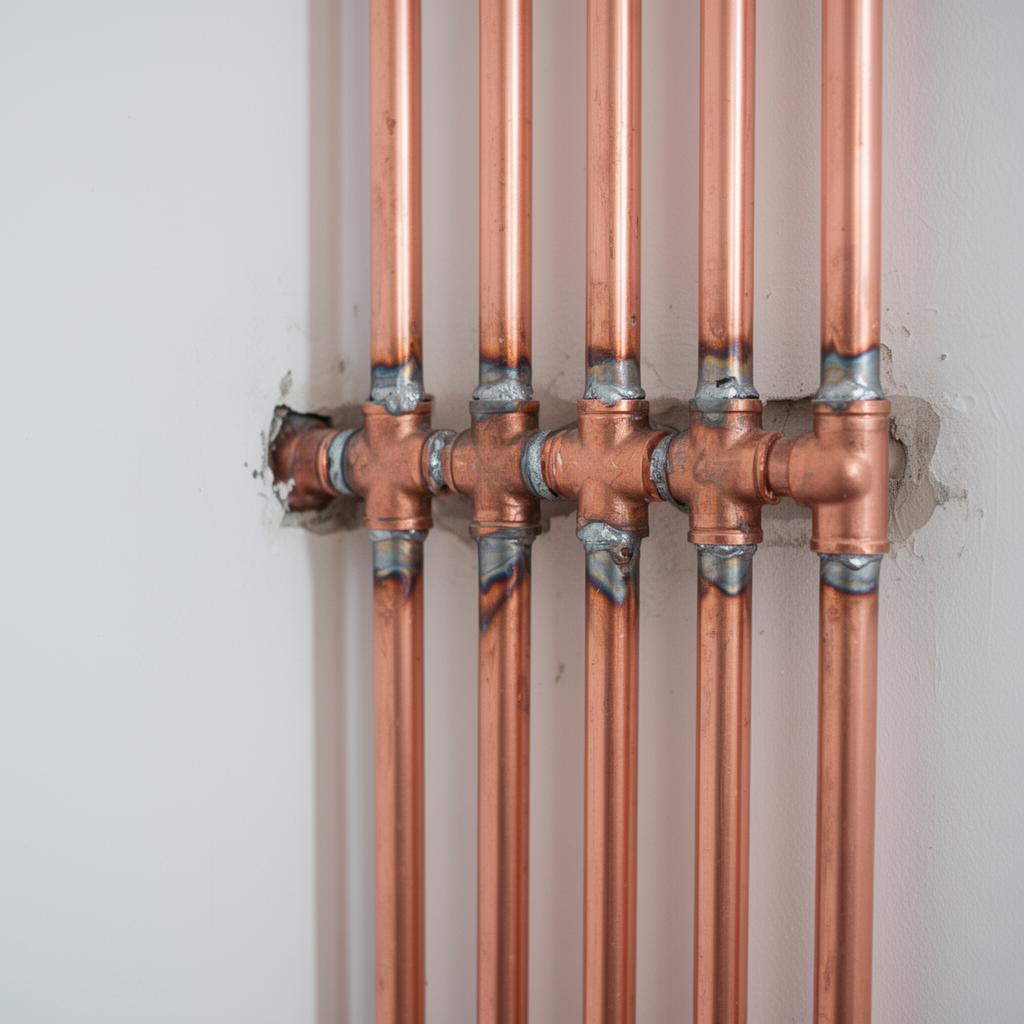
What matters most with expansion vessel recharging
- Vessels are recharged with a system fully drained down, not under pressure
- The correct charge is usually printed on the vessel or the boiler manual
- A diaphragm that has actually split cannot be recharged and needs replacing
- Symptoms include pressure spiking noticeably when the boiler fires
- Internal vessels on combis are recharged the same way as external ones
Relevant registrations
- Gas Safe registered for domestic gas boiler work
- OFTEC registered for oil boiler work
- Worcester Bosch Accredited Installer
What is actually going on with expansion vessel recharging
A vessel with the correct air charge keeps system pressure steady as the boiler heats and cools. Once the charge drops, the same job of absorbing expansion falls entirely on water compressibility, which barely exists, so pressure spikes when hot and drops when cold. Recharging means draining the system down, checking the Schrader valve with a tyre-style gauge, and pumping air back to the manufacturer's specified figure, usually matched to system height.
Where we deal with this
Straight answers on expansion vessel recharging
Our advice: Most vessel problems are a five-minute recharge rather than a new part — it is one of the cheapest fixes in the whole system.
For gas work, use a Gas Safe registered engineer; for oil work, use an OFTEC-registered technician.
Questions we get asked
- How often does a vessel need recharging?
- There is no fixed interval, but it is worth checking at every annual service since the air charge fades gradually and invisibly.
- How do I know if the diaphragm has split rather than just lost air?
- If pressure keeps climbing and water appears at the vessel's air valve, the diaphragm has failed and the vessel needs replacing, not just recharging.
Related help pages
- Oil supply componentsOil supply lines and Tigerloop devices: keeping air out of the fuel line
- Cylinder controlsHow an oil-fired cylinder and its controls work together
- System wiringS-plan vs Y-plan wiring: what the difference means for faults
- Oil boiler partsOil boiler fuel filters: the cheap part that prevents expensive faults
- Ignition lockoutVaillant F28: repeated ignition failure on an ecoTEC
- DiagnosticsIntermittent boiler faults: how to catch a fault that hides
Services that cover this
New Worcester boiler with a 10 year guarantee*
Free no-obligation quotes for installation, servicing & repairs across BA & BS postcodes.