
TRV stuck open or closed: freeing a seized radiator valve
Inside every TRV head is a small pin that pushes onto the valve body to restrict flow. Leave it in one position over a long summer and that pin can seize, leaving the radiator stuck fully on or fully off.
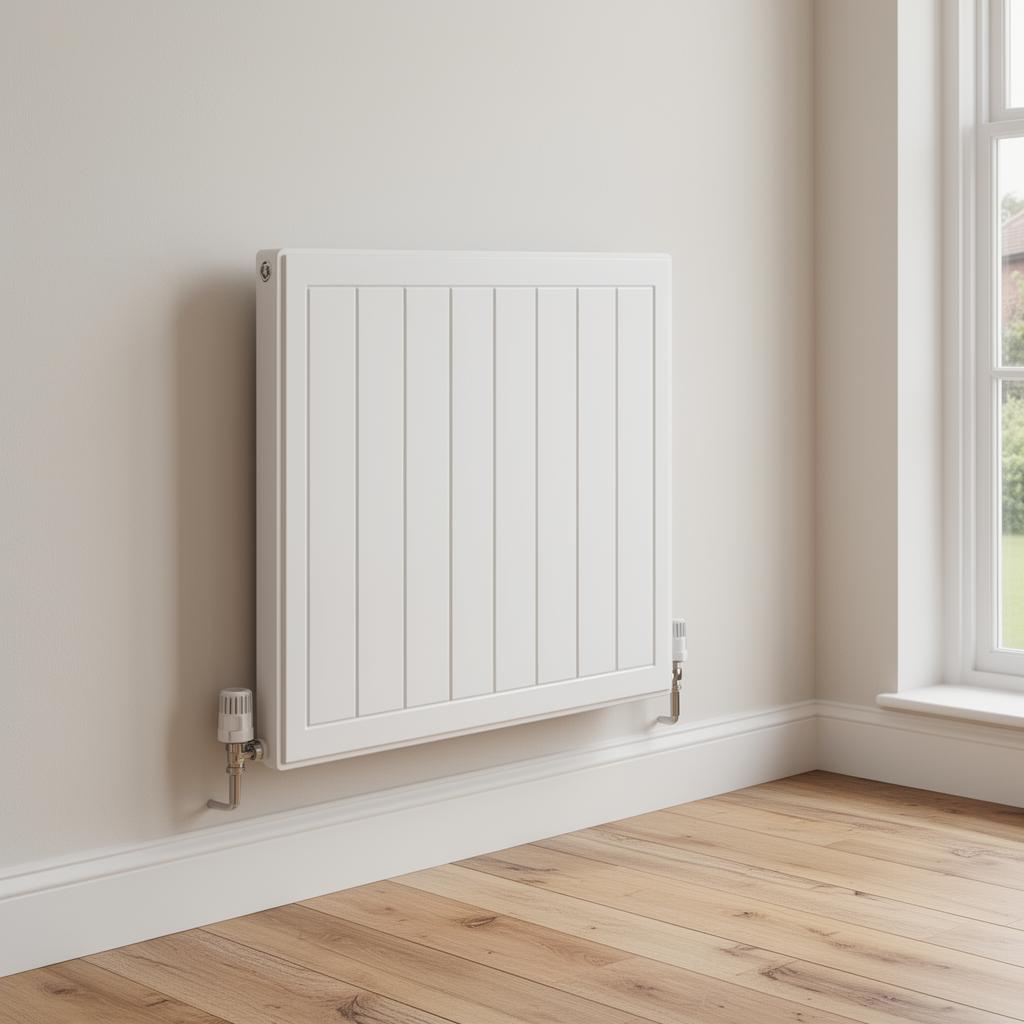
Key points on a seized thermostatic radiator valve
- Turning every TRV through its full range each summer prevents seizing
- A freed pin should move smoothly by hand once released
- Corroded pins on old valves sometimes snap during freeing attempts
- Replacing just the valve body avoids removing the whole radiator
- Smart TRV heads fit standard valve bodies in most cases
Understanding a seized thermostatic radiator valve before you spend money
The head itself is rarely the fault; the pin underneath sticks because the valve has not moved in months. Removing the head and gently working the pin with pliers, or tapping it with a small hammer while lubricating with penetrating oil, frees the vast majority. If the pin has corroded or snapped, the valve body needs replacing, which on an older system can mean isolating and draining that radiator only.
Who should undertake the work
- Gas appliance work must be completed by a suitably qualified Gas Safe engineer
- Oil appliance work should be completed by a suitably qualified OFTEC technician
- Jamie Crawford Heating states both Gas Safe and OFTEC registration
Where we deal with this
Questions we get asked
- Can I free a stuck TRV myself?
- Carefully, yes — turn the head off, remove it, and try to move the exposed pin gently. If it will not budge, stop and call an engineer rather than forcing it.
- Why did it seize in the first place?
- Valves left at the same setting all summer are the most common cause; exercising them occasionally keeps the mechanism moving freely.
Talk to us about a seized thermostatic radiator valve
Put simply: A seized TRV pin is usually a five-minute fix rather than a new radiator valve, so it is always worth attempting before assuming the worst.
Include the appliance make and model in your enquiry so the correct technical information can be checked.
Related help pages
- Vessel maintenanceExpansion vessel recharging: a routine job often mistaken for a big one
- Circulation faultsAirlocks in heating systems: how trapped air actually stops flow
- Air managementDeaerators and microbubble removal: clearing air you cannot see
- Pump diagnosticsCentral heating pump failure and pump seizure explained
- Worcester fault codeWorcester Bosch EA fault code: flame loss and ignition lockout
- Noise diagnosisHumming or vibrating pump: noise diagnosis on a heating system
Services that cover this
New Worcester boiler with a 10 year guarantee*
Free no-obligation quotes for installation, servicing & repairs across BA & BS postcodes.